1
 →
→
The ultimate harness for coding agents and beyond. All your agents. All your machines. One command center.
autonomous-ai/openharness is an open-source project on GitHub, mainly written in Dart. The ultimate harness for coding agents and beyond. All your agents. All your machines. One command center. It currently holds 1,118 stars and 93 forks with 0 open issues, and was last pushed on an unknown date (repository created unknown).
AI Homed tracks it on the Today's Trending board, currently at rank #38 with 25 new stars today.
The ultimate harness for coding agents and beyond.
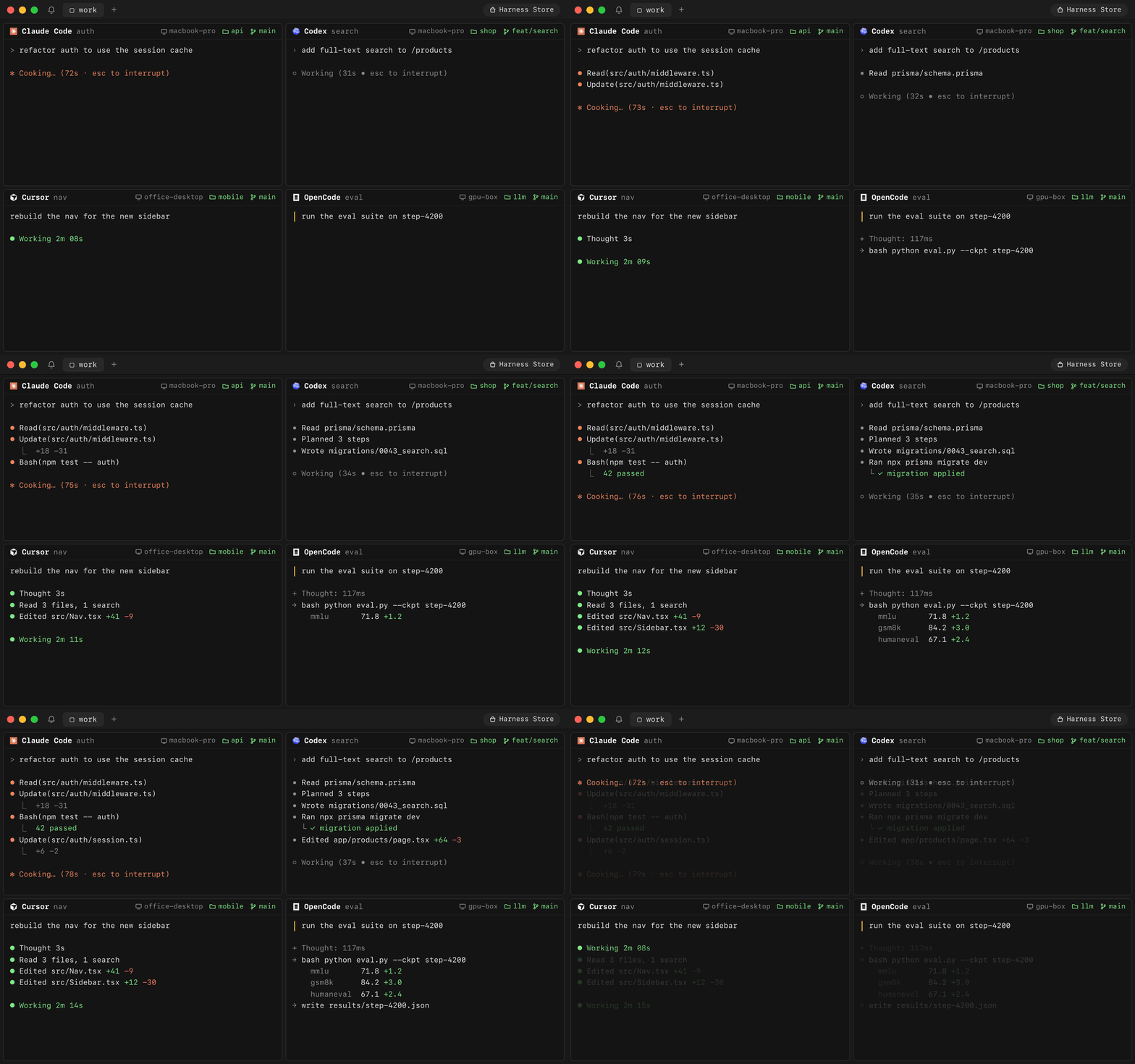
Claude Code at work. Codex at home. Hermes in the cloud. One command center.
Start with code. Then follow your curiosity and build across disciplines: CAD, circuits, robots, games and music.
Download · How it works · Beyond code · Harnesses · Device
Claude Code, Codex, Cursor, OpenCode, Devin, Amp, Copilot and seven more.
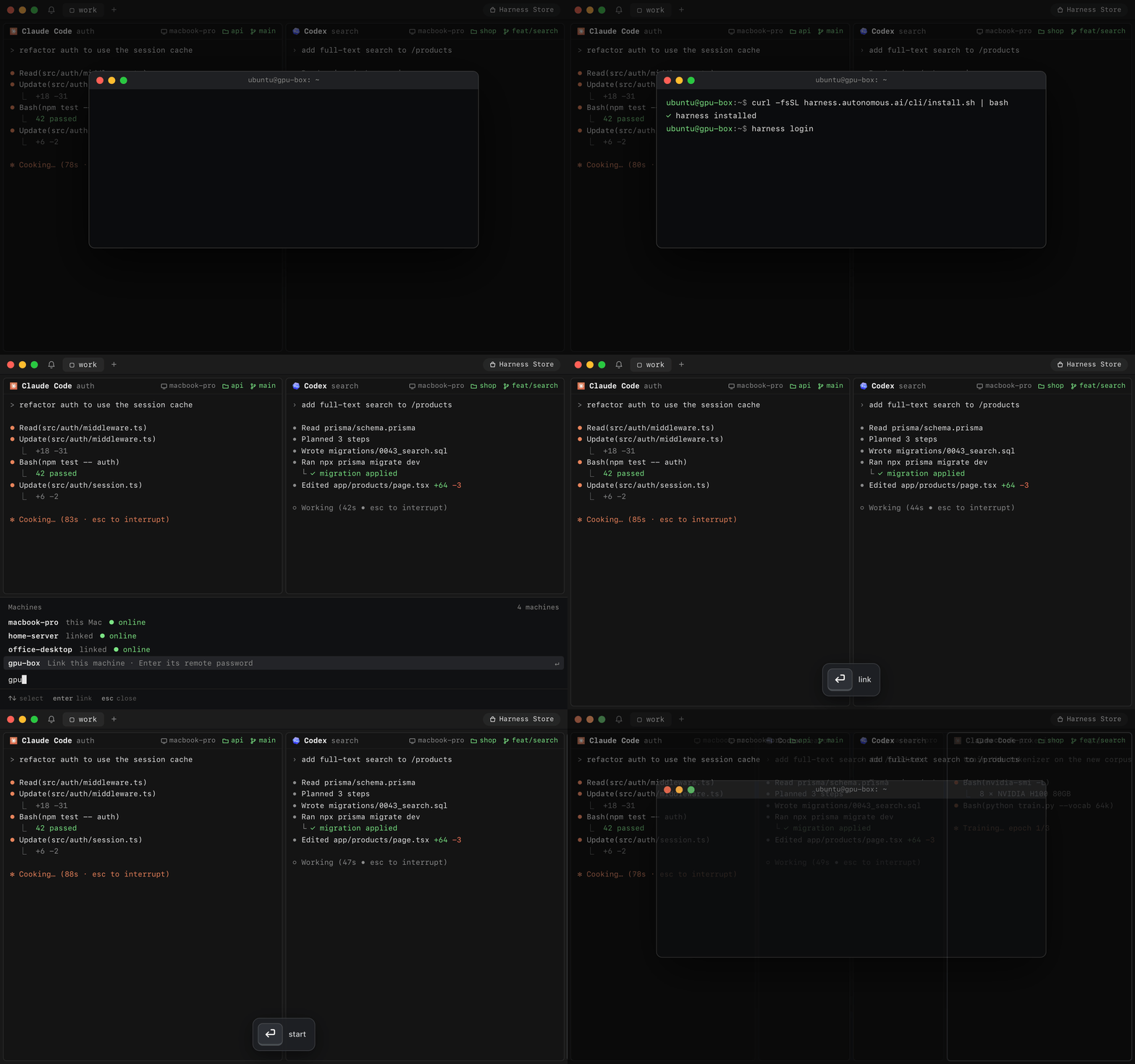
Your laptop, home server and GPU box in one window. Link each one with a password. No SSH keys. No Tailscale. No port forwarding.
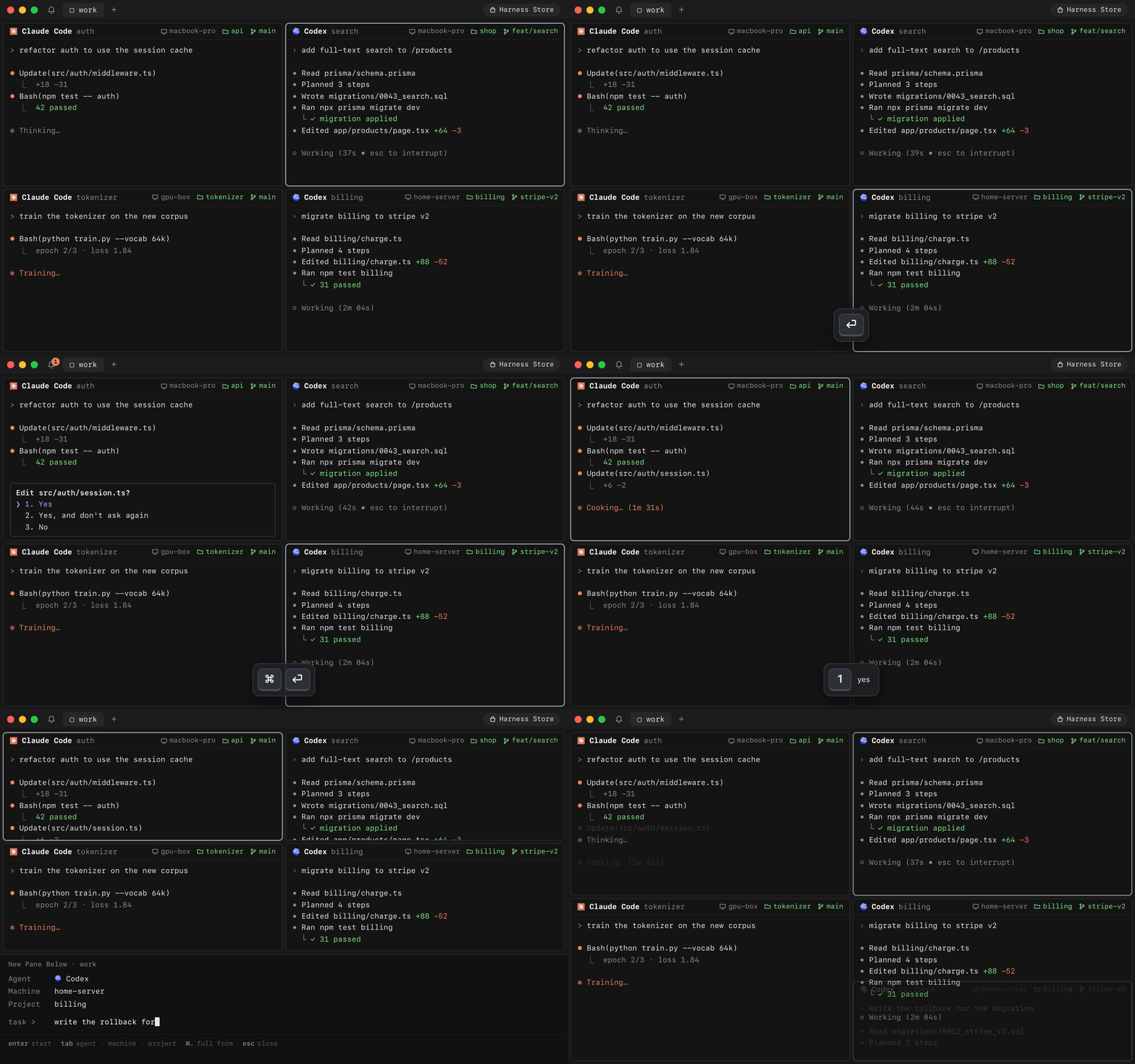
⌘P finds any harness on any machine. ⇧⌘I jumps to the harness waiting on you. ⌘D splits. Every key remaps.
Code, keys and keystrokes are sealed on your machine. The relay forwards bytes it can't read.
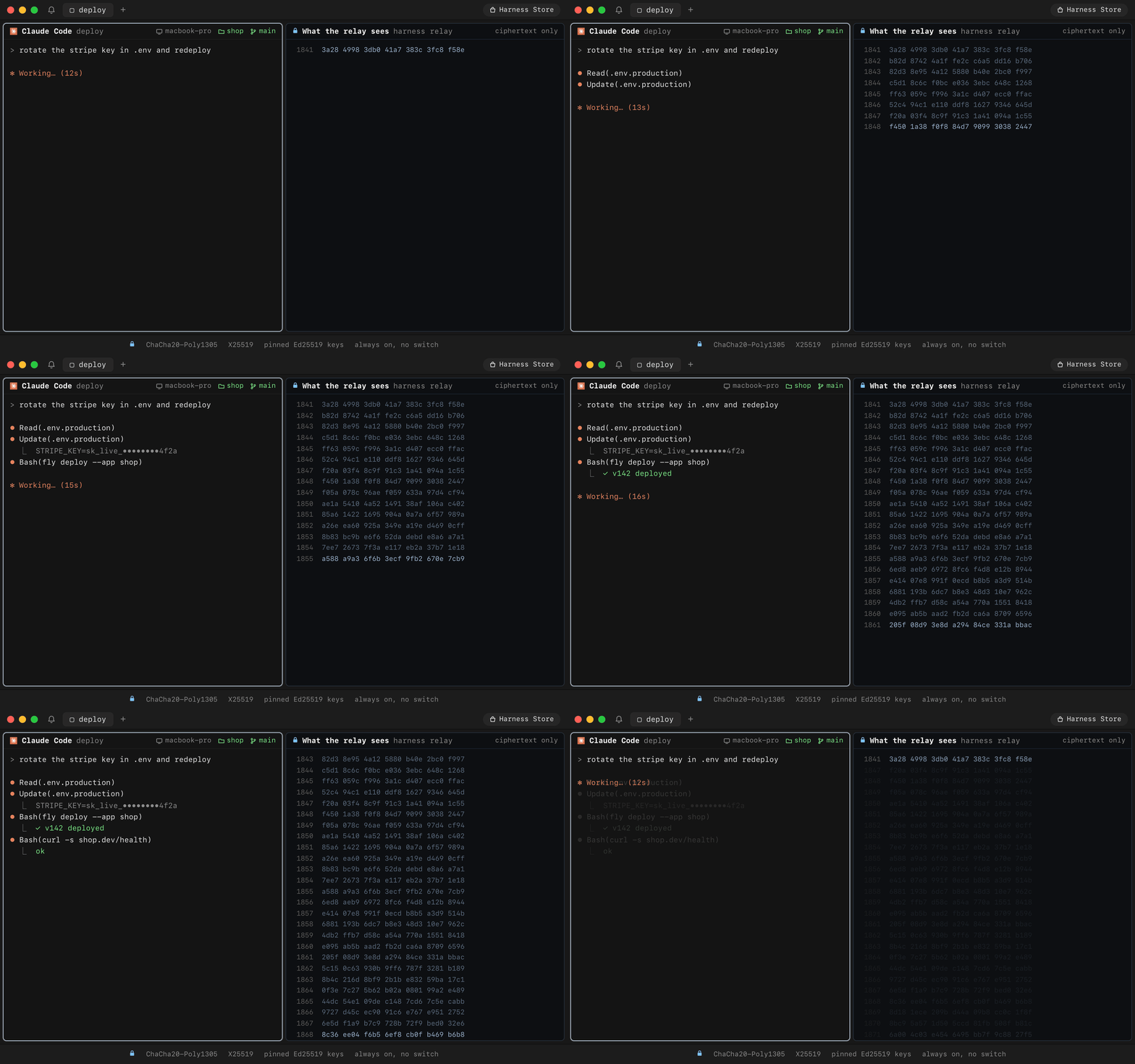
A native app, not Electron. Close it and your agents keep working.
Idle measurements on an M2 Max:
In the workspace, a harness is one running session of an agent such as Codex or Claude Code, with its own conversation and working context. A tab groups harnesses. Use New Harness to start one and New Tab to group work. Enable Settings → Experimental → Tab collaboration to let their agents consult peers in the same tab; it is off by default.
The Store offers harnesses with instructions, tools, and optional viewers for specific crafts. Install a harness, then start it in your workspace. See the Naming System for the complete naming rules.
One daemon per machine runs your agents in tmux. It dials out, so no machine opens a port.
flowchart LR
  subgraph laptop["Your laptop"]
    app["Harness app"] -- loopback --> d1["daemon"]
    d1 --> a1["tmux · Claude Code · Codex"]
  end
  subgraph box["Your GPU box"]
    d2["daemon"] --> a2["tmux · OpenCode · Hermes"]
  end
  device["Harness device"] -- USB --> d1
  d1 <-. "direct WebRTC" .-> d2
  d1 <-- "ciphertext" --> relay["Harness relay · no keys"]
  relay <-- "ciphertext" --> d2
Every path is sealed end to end: ChaCha20-Poly1305, X25519 session keys, pinned Ed25519 identities. Harness picks the best path on its own.
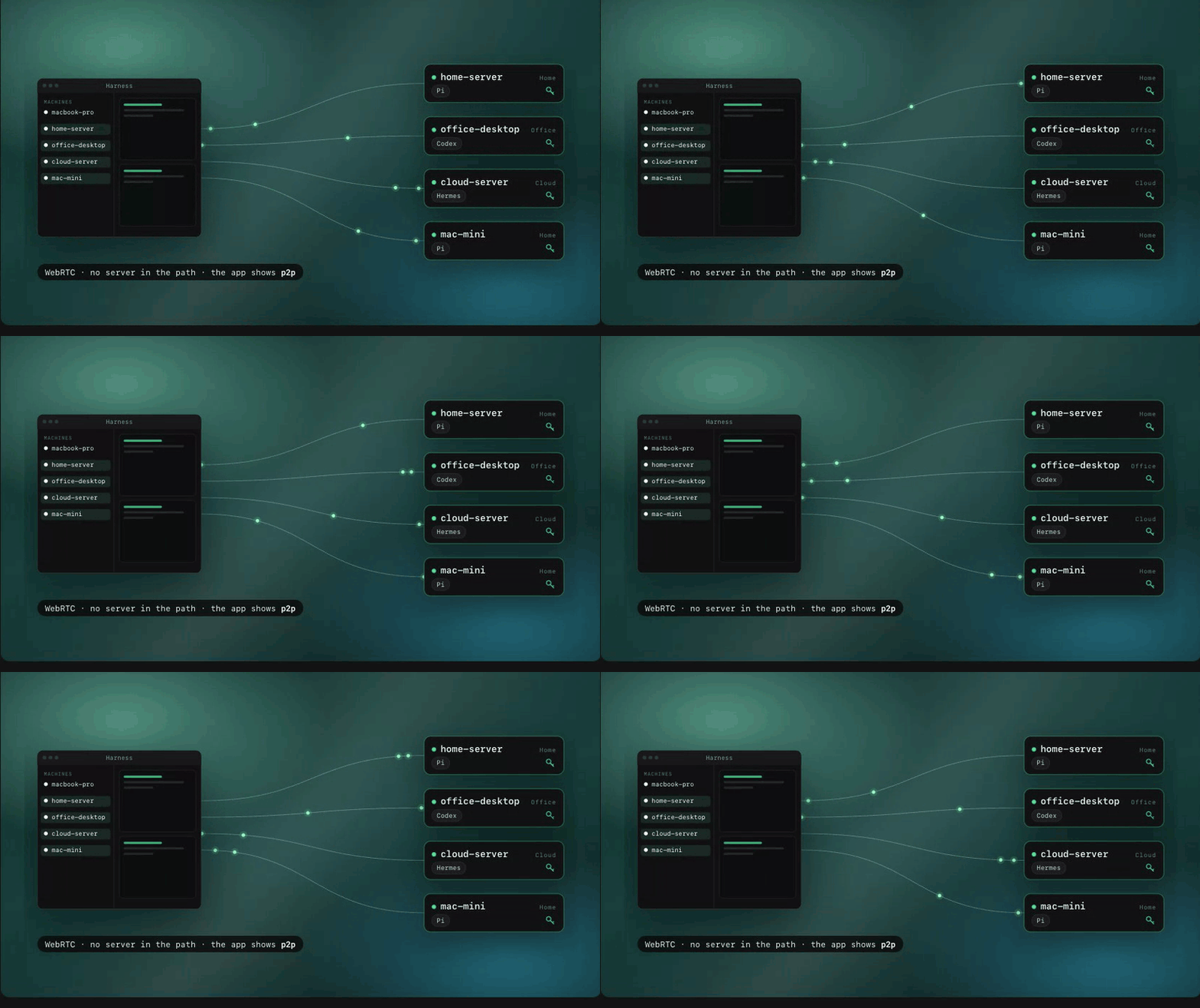
Direct. A WebRTC channel between your machines. No server in the path.
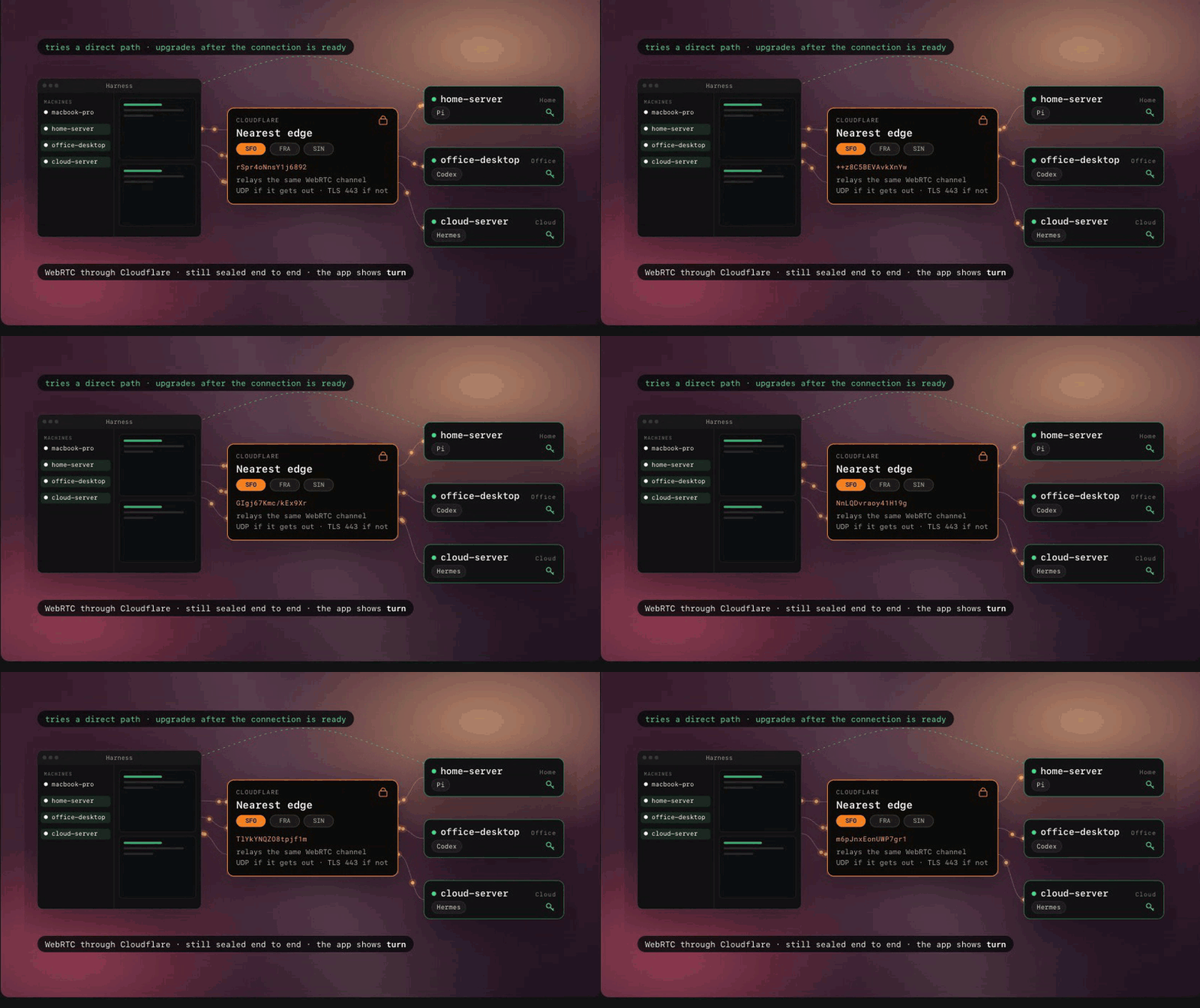
Through Cloudflare. When a firewall blocks the direct path, the same encrypted channel runs over Cloudflare's TURN network. Harness keeps trying for a direct path.
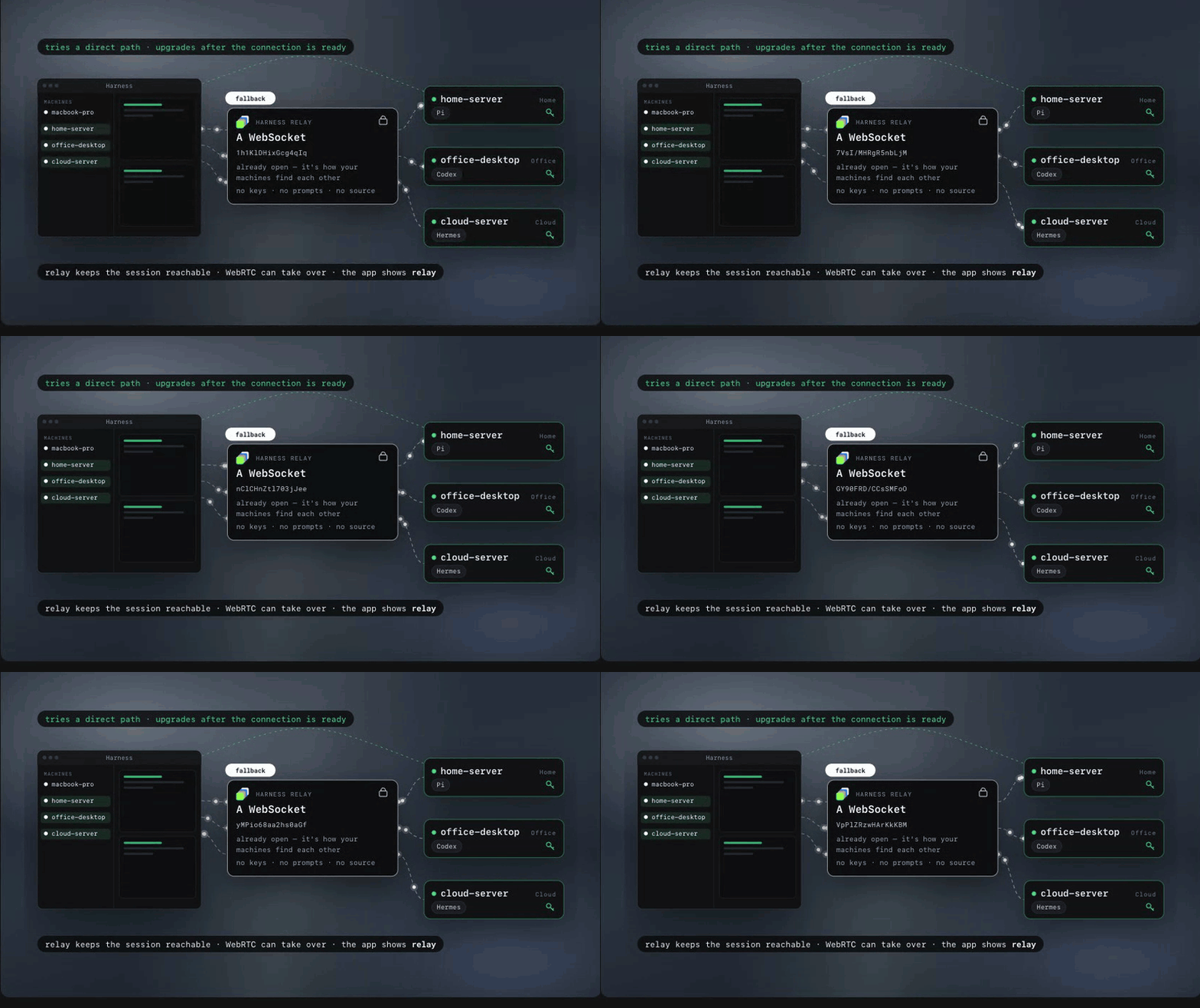
Through our relay. A fallback while WebRTC negotiates. The relay holds no keys and forwards ciphertext.
The architecture guide has the details.
Download the app for macOS or Linux.
Add a machine. Run this on it, then Machines → Link Machine in the app:
curl -fsSL https://harness.autonomous.ai/cli/install.sh | bash
harness login
harness remote-password set
harness start
In a terminal: the same line installs hn — tmux's keys and your ~/.tmux.conf, with every
harness on every machine (hn). The first time, hn signs in and connects the
computer:
curl -fsSL https://harness.autonomous.ai/cli/install.sh | bash
hn
Needs Node.js 20+, tmux, Xcode and Flutter 3.47+ / Dart 3.13+:
git clone https://github.com/autonomous-ai/openharness.git
cd openharness
(cd cli && npm ci)
make install-cli
cd desktop
flutter config --enable-swift-package-manager
flutter pub get
flutter run -d macos
make install-cli installs this checkout's CLI and restarts the local daemon. See the
development guide.
“World-class entrepreneurs are polymaths.” — Peter Thiel
Coding agents can build far more than software. Give one a harness and it works with the real tools of a craft. You steer in a live viewer. Every clip below is a real session.
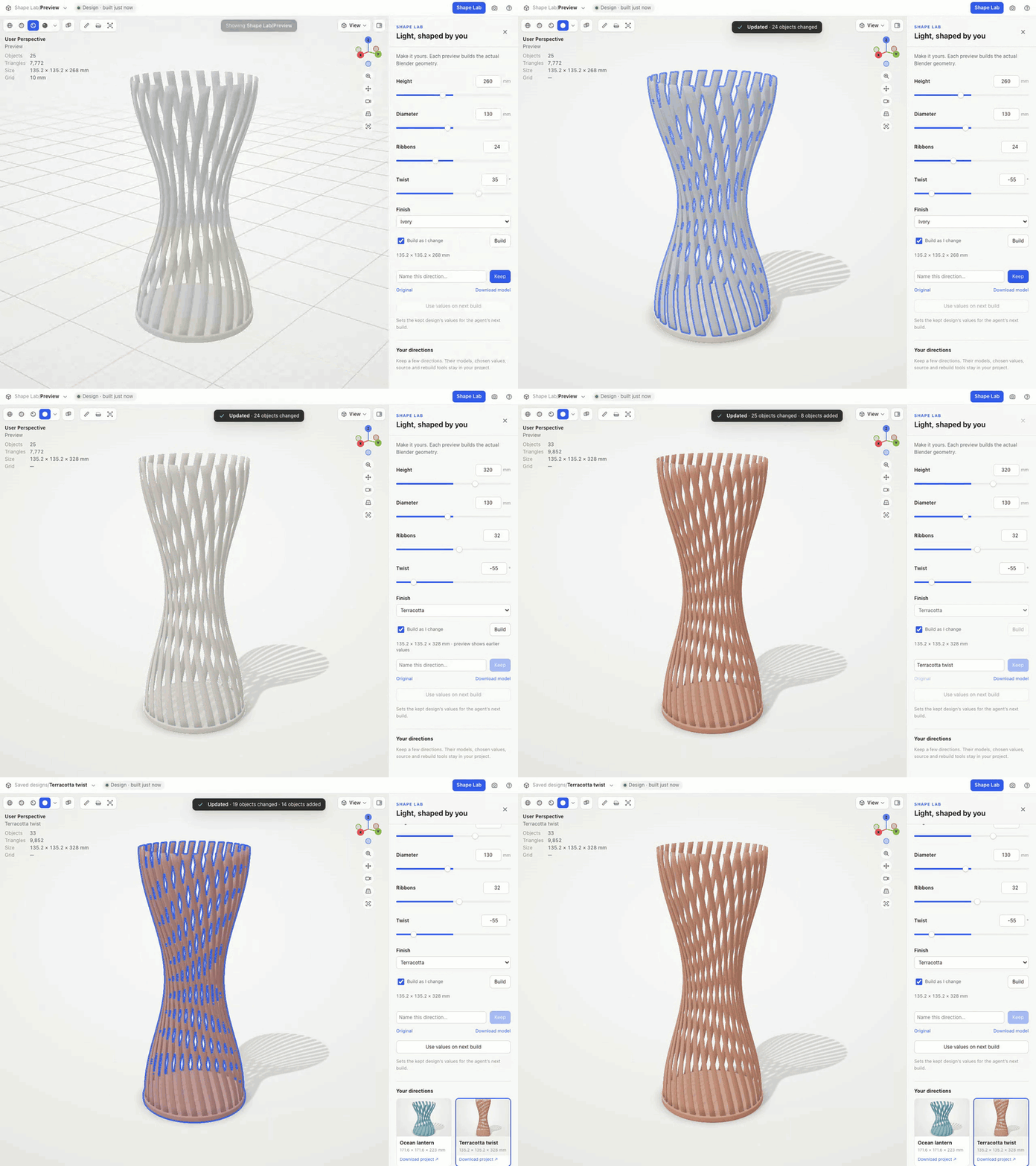
Blender. Ask for a lamp and the sliders that matter. Turn them and Blender rebuilds the geometry. Keep the versions you love.
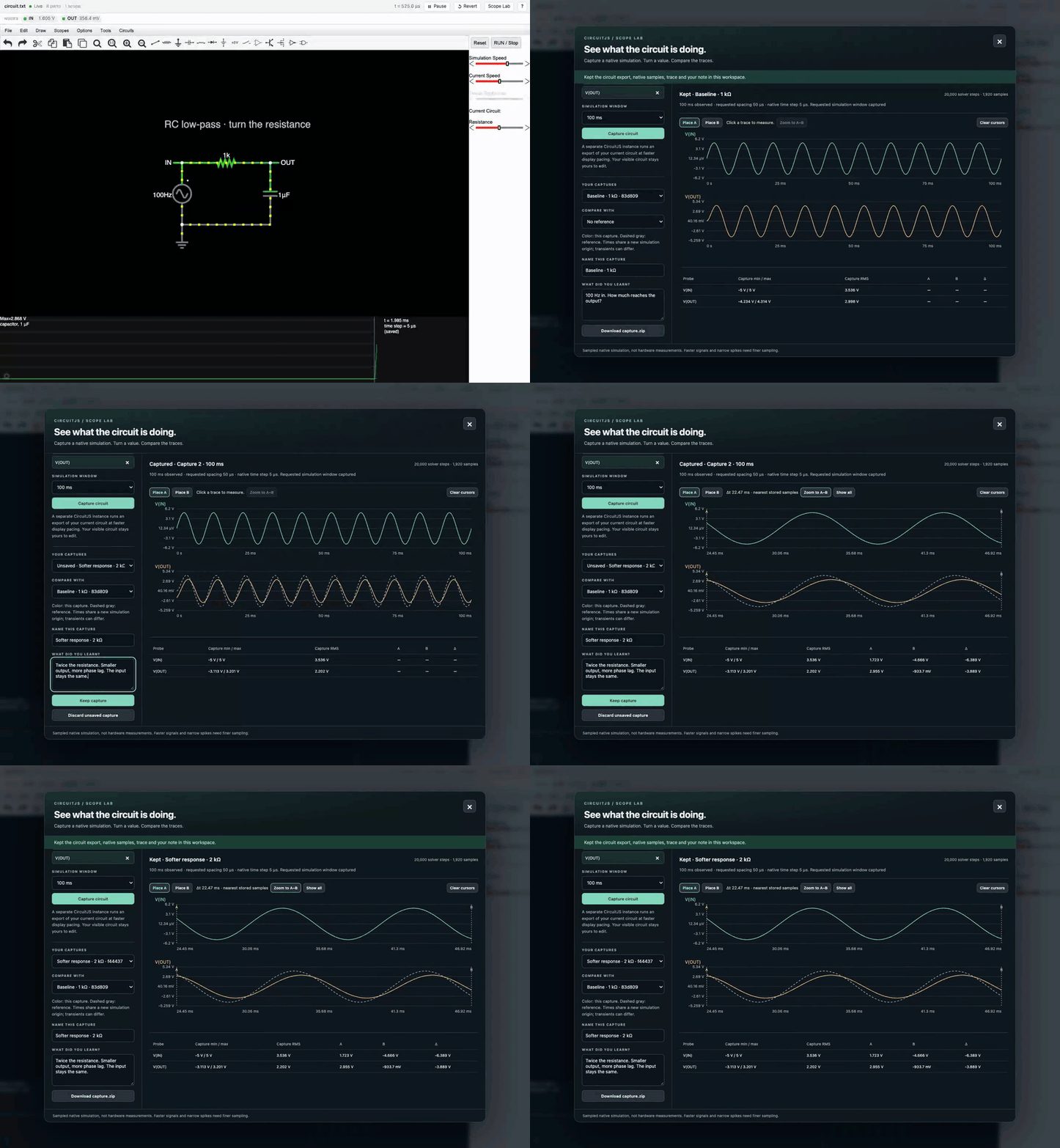
CircuitJS. Build a filter. Change one resistor. Overlay the new trace, measure the difference and keep both.
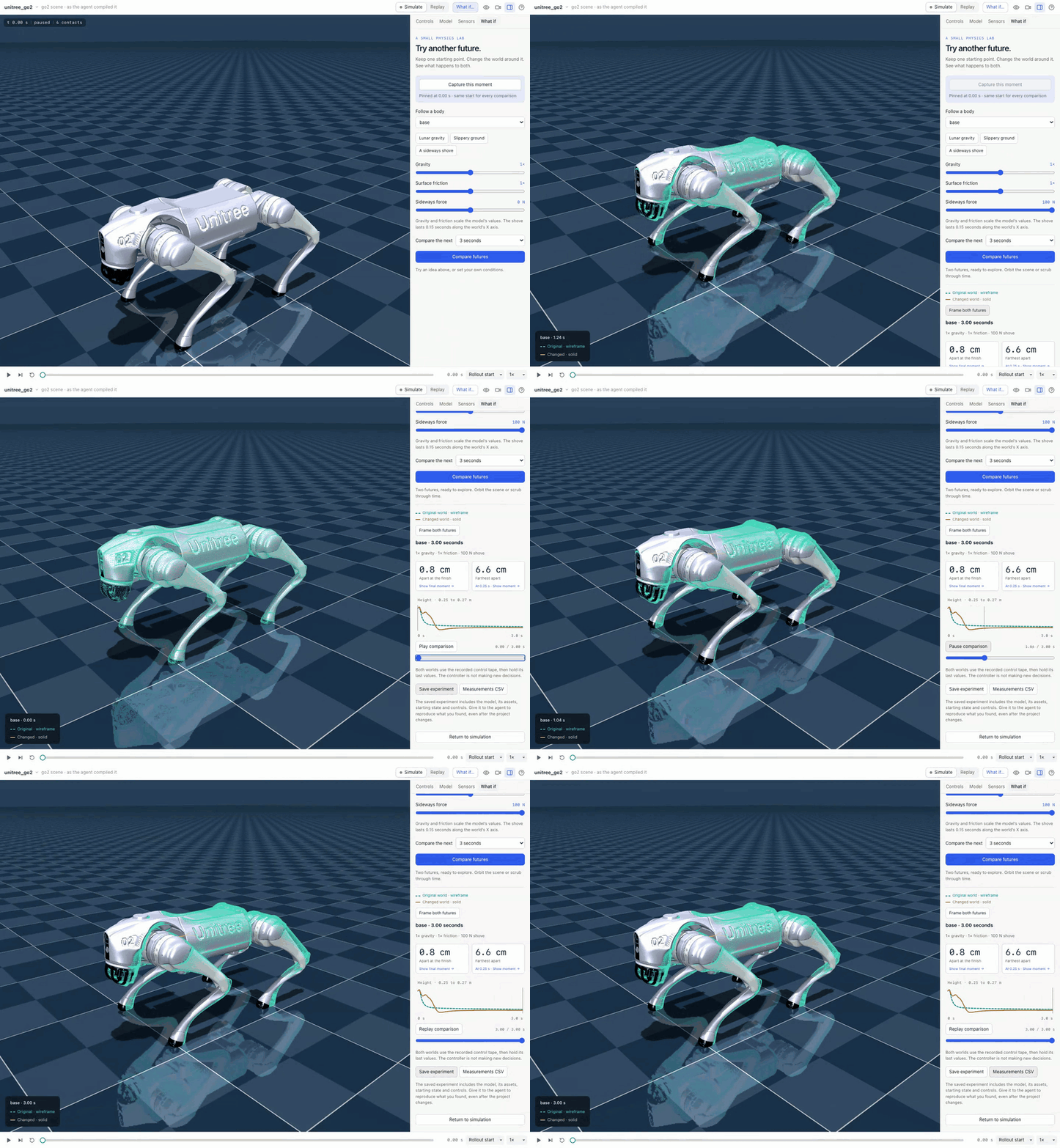
MuJoCo. Pin a moment in a robot's run. Shove it with 100 N. Watch two futures split.
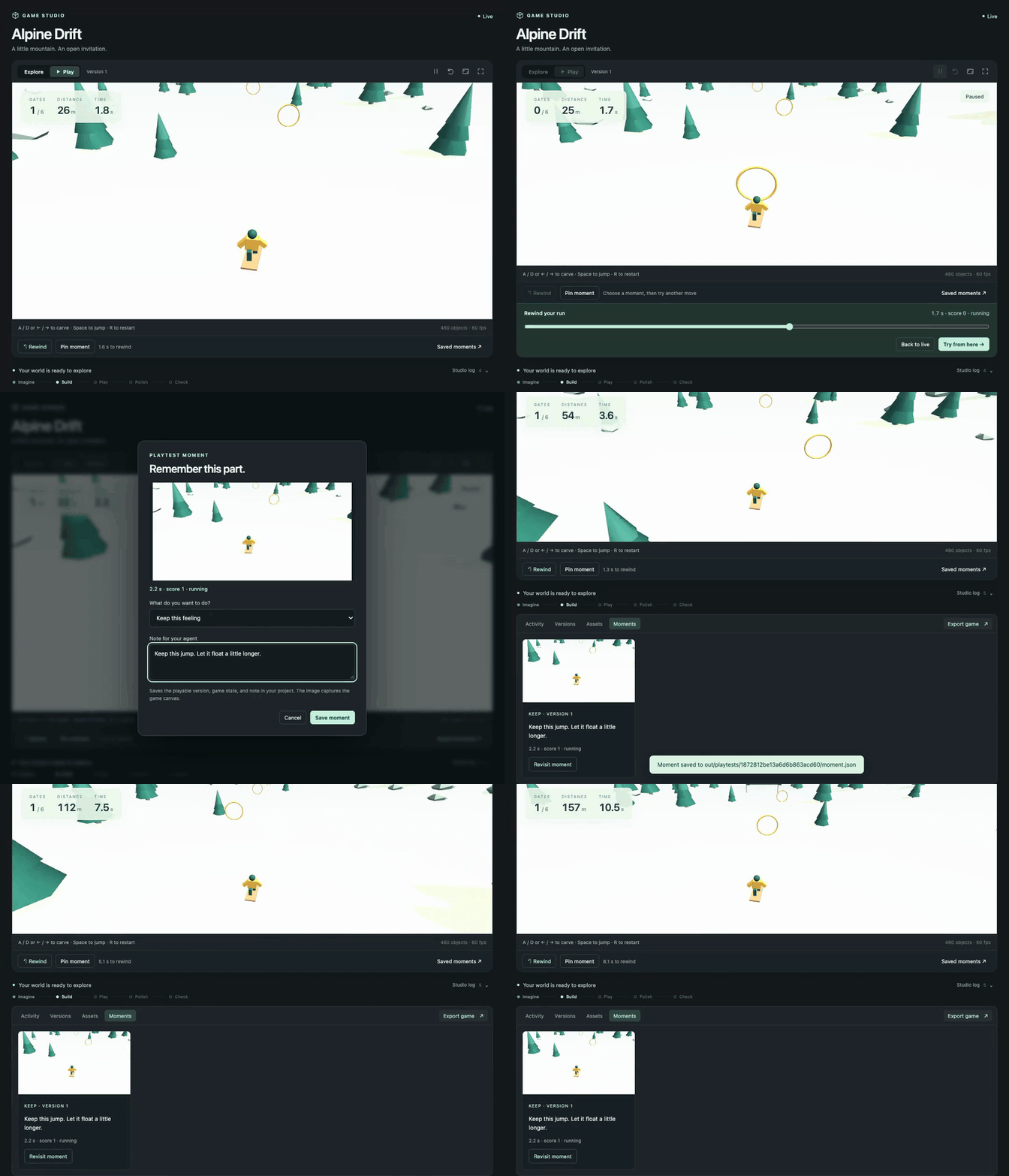
Godogen. Your agent makes a playable game. Miss a jump, rewind, try again. Pin the moment so the agent sees what you mean.
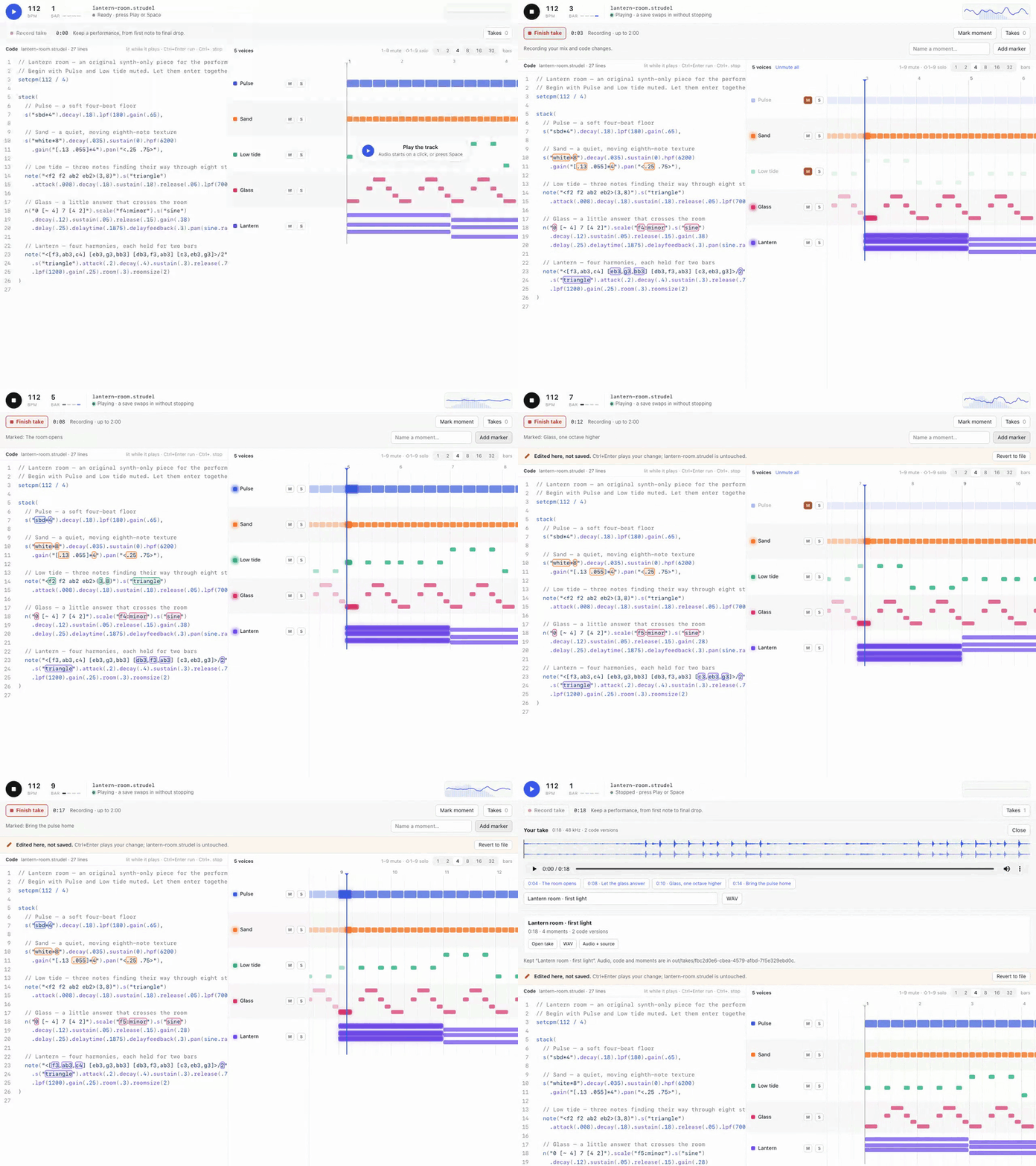
Strudel. The track is code you can perform. Bring voices in and out, mark the good parts, keep the WAV. Hear it.
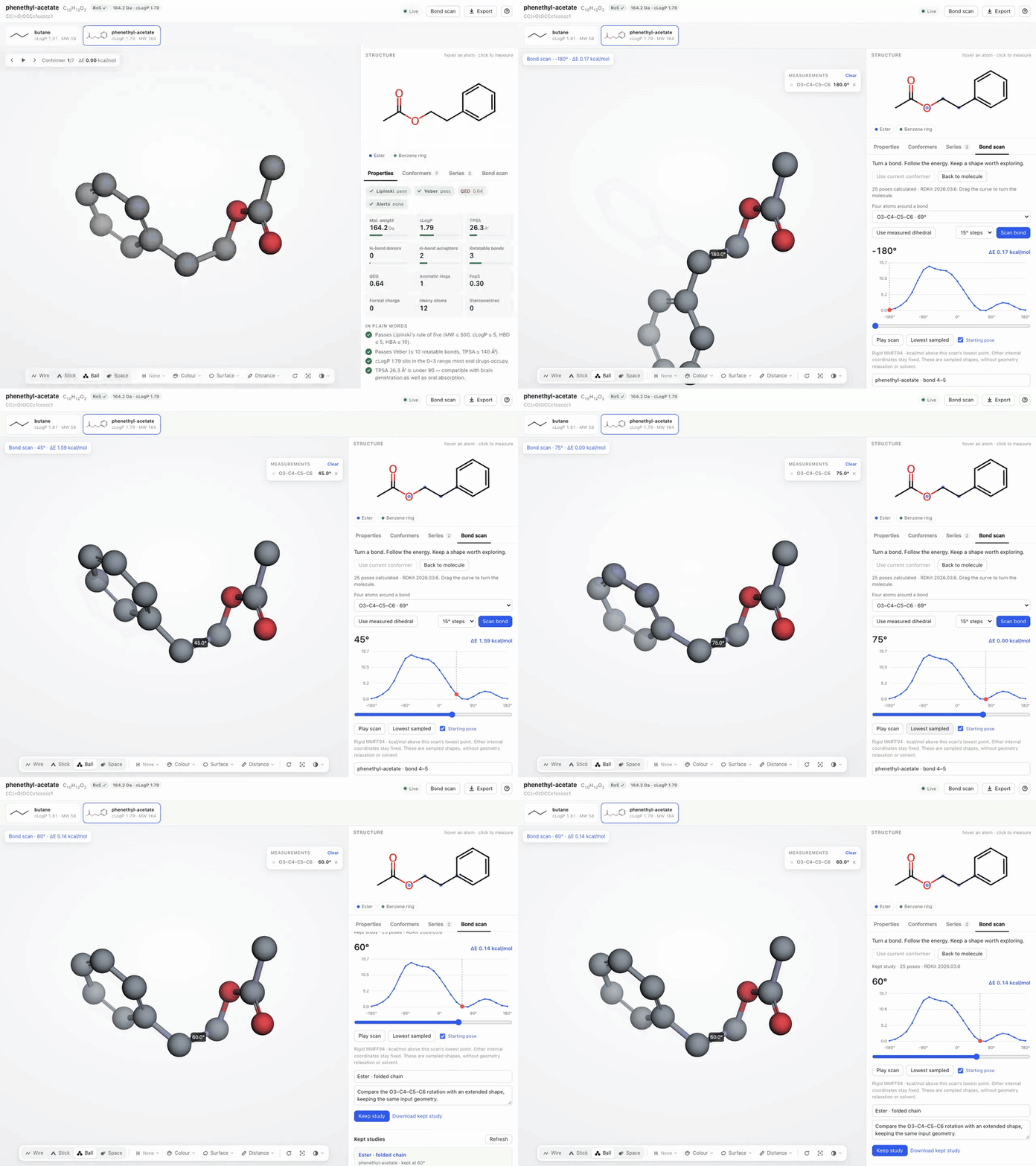
RDKit. Turn a bond and watch the molecule move. Follow the real energy curve. Keep the pose worth a closer look.
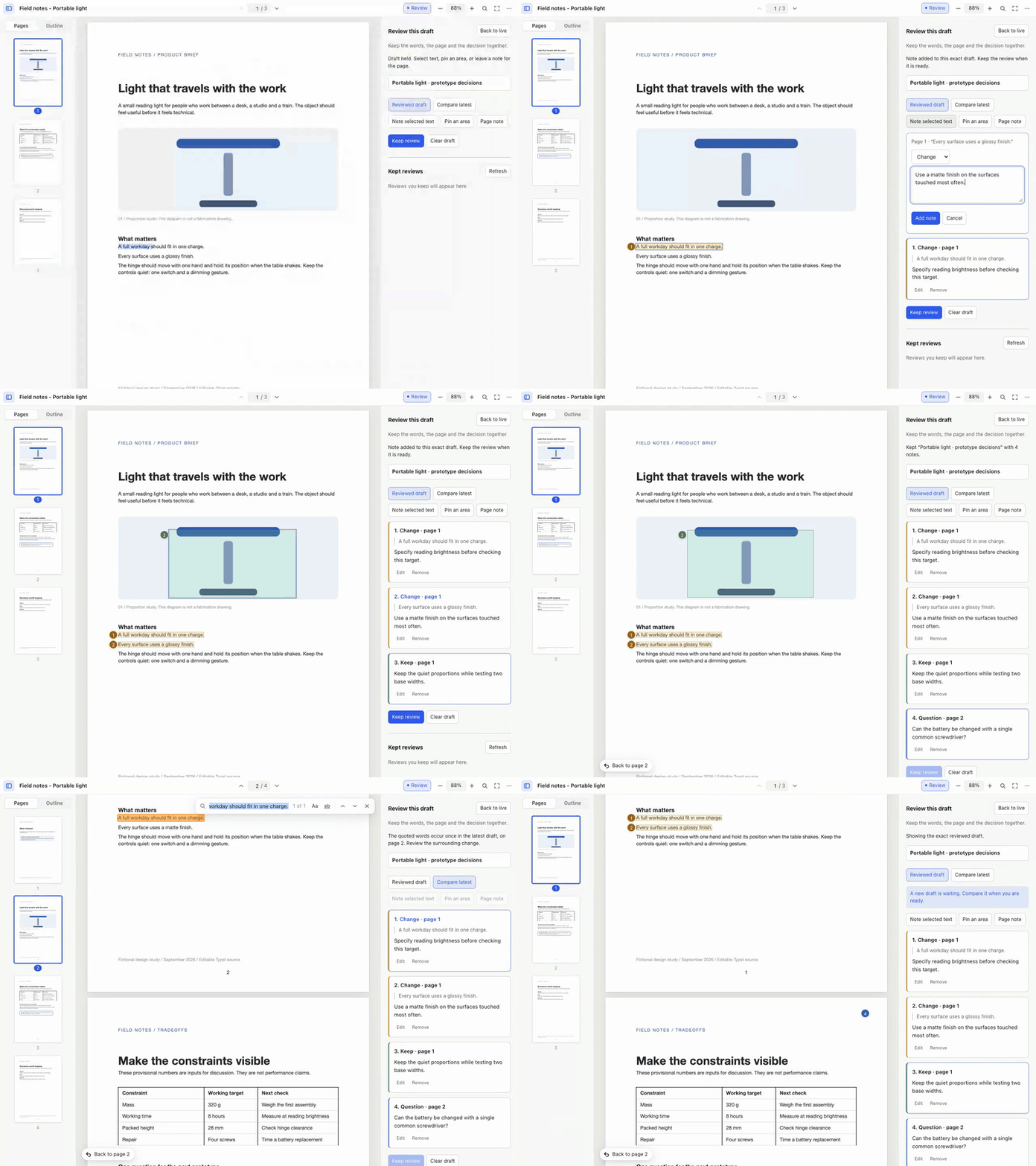
Typst. Your agent writes a real PDF. Circle a detail, quote a line, leave a note. The next draft answers it.
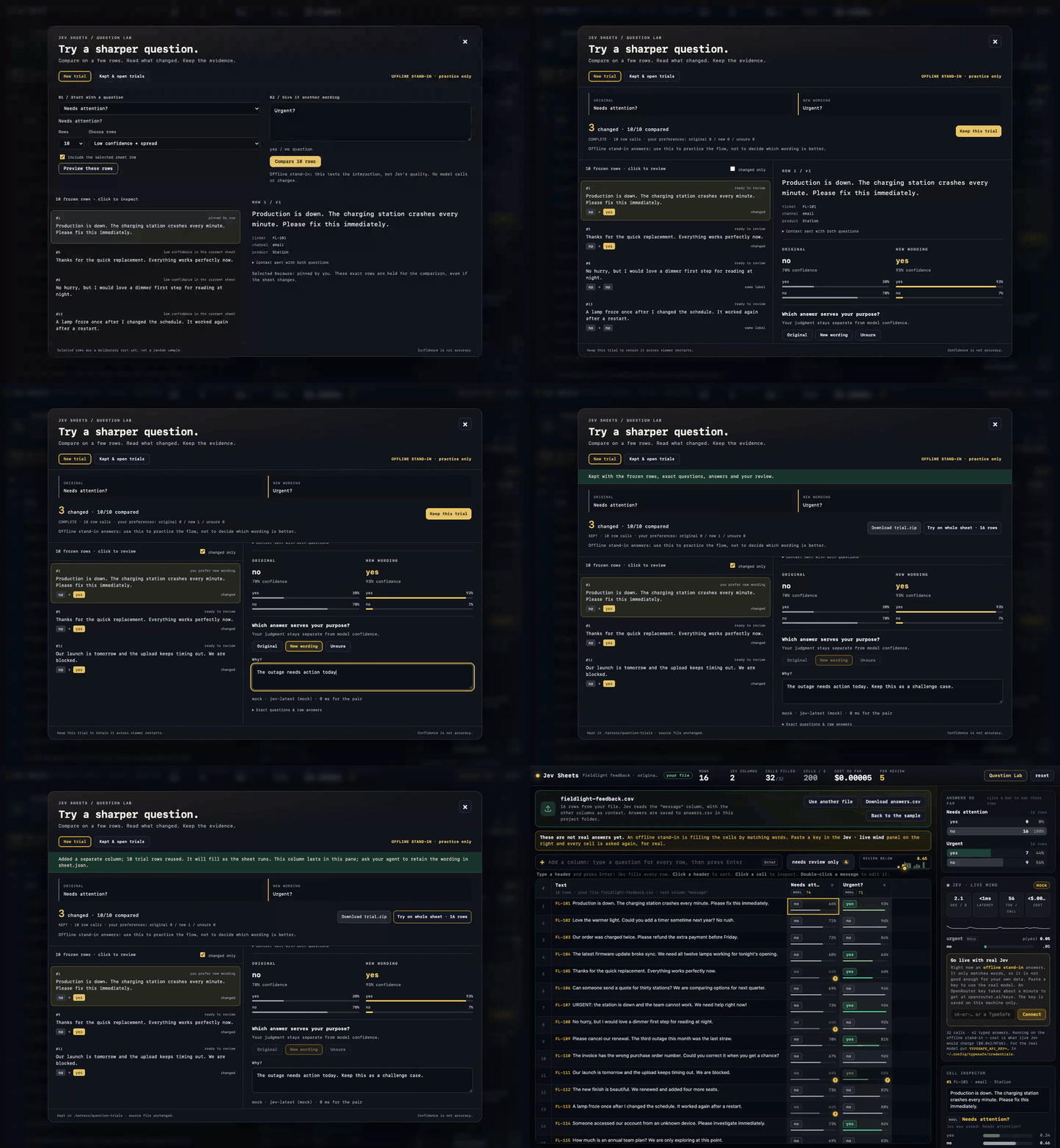
Jev Sheets. Test a question on a few frozen rows before you ask the whole sheet. Compare two wordings side by side.
Code is the common medium. Geometry scripts make parts. Netlists make boards. Animation code makes film.
A domain-specific harness turns a coding agent into a specialist. It brings the craft's instructions and skills, a pinned toolchain, a project template, checks and a live viewer. You chat on one side. The board, the part or the game takes shape on the other.
The agent does the reasoning. The harness supplies the tools and the view. It's a folder with a
harness.json, so adding a craft never touches the app.
| Category | Agents and harnesses | |---|---| | Coding | Claude Code, Codex, Cursor, OpenCode, Pi, Hermes, Command Code, Devin, Muse Code, Amp, Antigravity, GitHub Copilot, Grok Build, Kilo Code, Harness Monitor, Machine Monitor, Trail of Bits Skills | | Design | Autonomous Workshop, Blender, Bonsai MCP, Creative Direction, Excalidraw, FreeCAD, Generative Art, OpenSCAD, text-to-cad | | Engineering | Autonomous Circuit, CircuitJS, Home Assistant, KiCad, Orca Slicer, Yosys | | Media | Comfy MCP, Manim, OpenMontage, Remotion | | Music | Ableton AI, JUCE Agent Toolkit, Music Studio, Score, Strudel | | Productivity | Jev Sheets, Marp, Typst | | Science & Data | autoresearch-mlx, Data Studio, Lab Bench, marimo, RDKit | | Simulation | DimOS, Drone Pilot, Foam-Agent, MuJoCo, SimSkill | | Games | Game Master, Godogen, Phaser, Voxel Worlds | | Research | Jev Browser, Roundtable | | Local AI | MLX-LM, Model Manager, Ollama, vLLM |
Upstream open-source tools and original workflows. 10 shared viewers install alongside the harnesses that need them. Unlisted experiments are not shown.
The next harness is the one for your craft. Wrap a tool you love or your team's toolchain. It can live here or in your own repo. From this repo:
{
  "spec": 1,
  "id": "examples/hello-world",
  "name": "Hello World",
  "engine": "codex",
  "workspace": { "template": "template", "marker": "index.html" },
  "agent": { "instructions": "AGENTS.md" },
  "viewer": { "use": "autonomous/web-viewer" }
}
harness dsh install "$PWD/store/viewers/web-viewer" --link
cp -R store/examples/hello-world ../my-harness
harness dsh check ../my-harness
harness dsh install ../my-harness --link
Press ⌘N → Hello World and say hello. The authoring guide covers the rest.
Get a Harness device, or build your own from the files below. The firmware guide lists the supported boards and build commands, and the hardware guide covers the design files.
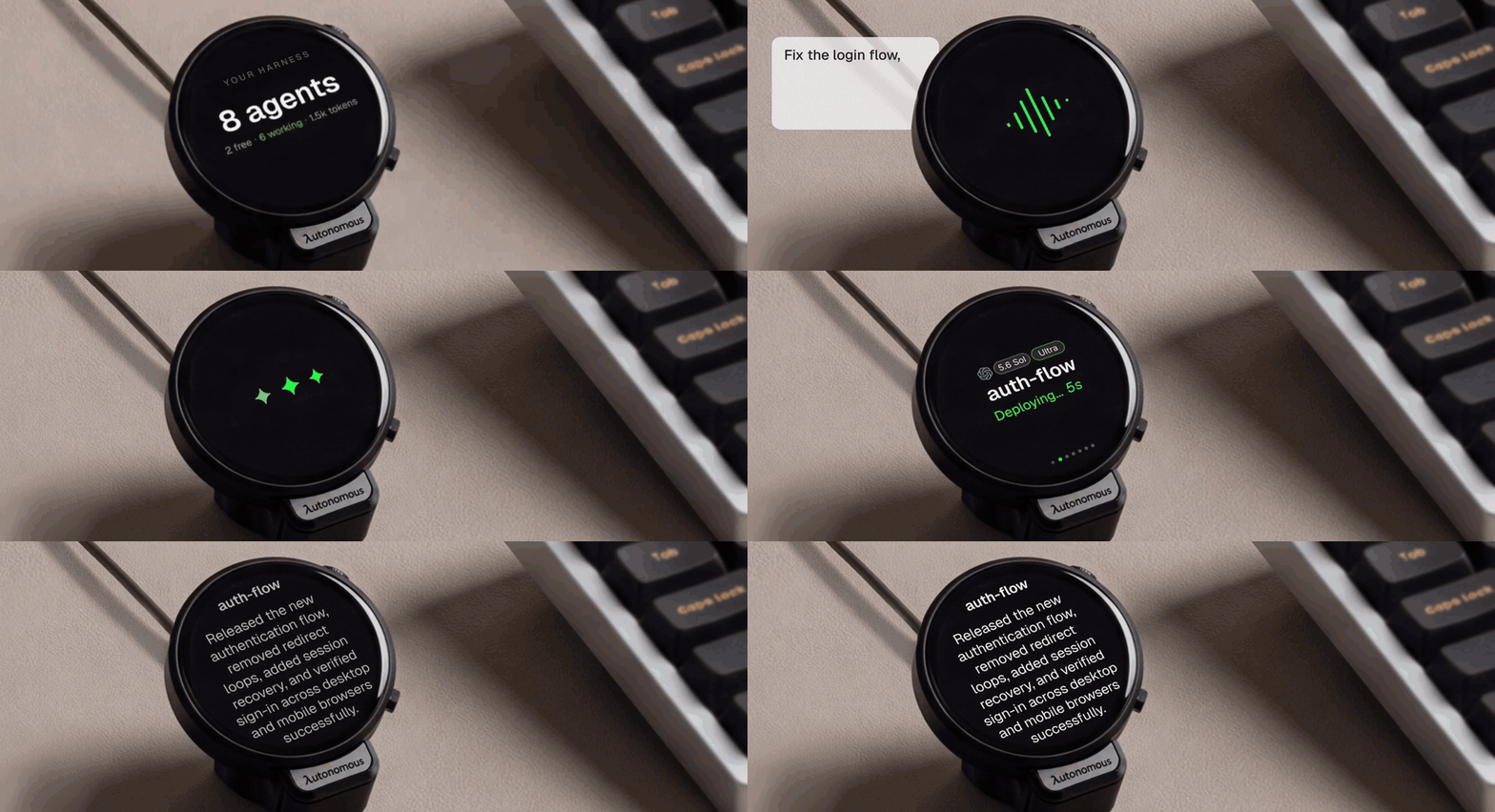
The optional Harness device is a round, always-on display that sits beside your keyboard and shows your agents at a glance: what each one is doing, which one has finished, and which one is waiting on you. Read a question and answer it on the screen, or tap and speak a new task, without switching windows.
It is open hardware, all the way down. This repository has everything it takes to build one:
| Layer | What's here | |---|---| | Firmware | ESP32-S3, ESP-IDF, a 466 × 466 round AMOLED with touch, microphones and audio. Connects to the host's daemon over USB — no Wi-Fi setup, no account on the device. | | PCB | The EasyEDA Pro project, the schematic, Gerbers, the bill of materials, and pick-and-place data for assembly. | | Enclosure | STEP for editing and STL for printing: the housing, an iron counterweight base, the USB clamp, and the button. |
Make a harness for a tool you love. Improve terminals, engines, the daemon or the relay. Port the firmware. Start with the contribution guide.
Architecture · Product direction (proposal) · Development · Extending · CLI · Security · MIT license; upstream tools keep their own.
→ →
→ →
→ →
→ →
→ →
→ →
→ →
→