1
 →

Agent skill for narrated cinematic films built entirely from code: one continuous camera over photos, maps and cards, timed to the voice. Claude Code, Codex, Cursor, Gemini CLI.
Moh4696/cinematic-skill is an open-source project on GitHub, mainly written in Python. Agent skill for narrated cinematic films built entirely from code: one continuous camera over photos, maps and cards, timed to the voice. It currently holds 126 stars and 8 forks with 0 open issues, and was last pushed on 2026-11-09 (repository created 2026-11-09).
AI Homed tracks it on the Today's Trending board, currently at rank #87 with 0 new stars today.
Narrated cinematic films, built entirely from code, by your coding agent.

Ask your agent for "a 90 second documentary about the Wright brothers" and it writes the script, records a voice, finds public-domain photos with their licences, and builds one continuous camera move over a single designed world. Stamps slam, highlighters swipe and numbers roll up on the exact word the narrator says. It finishes with sound effects, an optional score and burned-in captions.
Nothing is generated video. Every frame is drawn by code (Skia, in Python), so the film renders the same every time, changes are cheap, and a new voice re-times the whole film by itself.
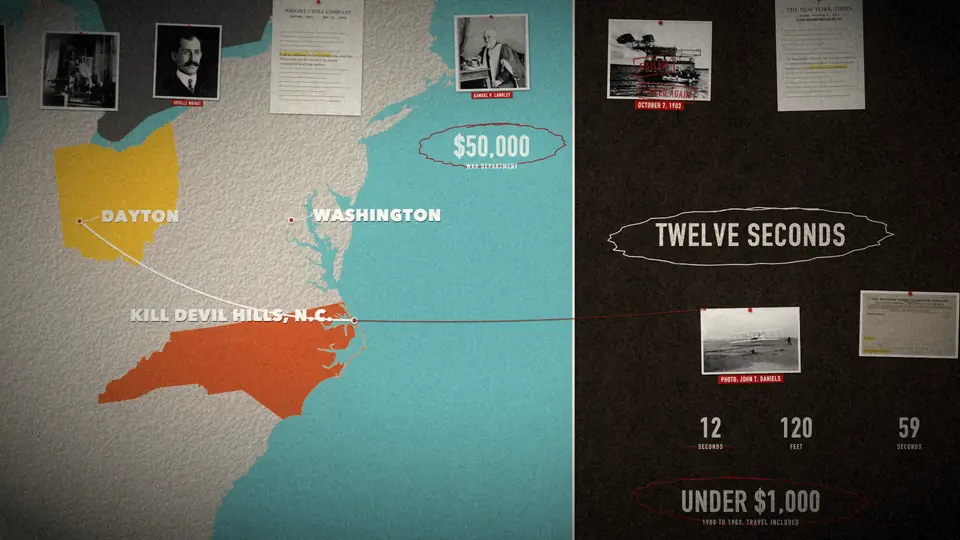 |
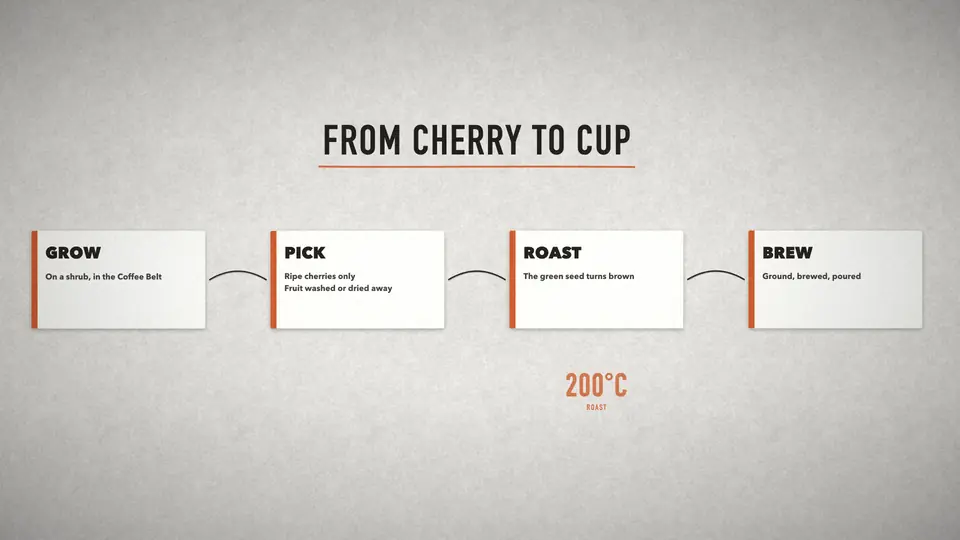 |
Left: the final frame of "Twelve Seconds", the 90 second documentary that ships as the worked example, made from seven public-domain photos. Right: the starter explainer that every new project begins as.
npx skills add Moh4696/cinematic-skill
That uses the npx skills CLI (Node 22.20+). It installs for Claude Code, Codex, Cursor, Gemini CLI, OpenCode and dozens more. Start a new agent session afterwards.
/plugin marketplace add Moh4696/cinematic-skill
/plugin install cinematic-skill@cinematic-skill
codex plugin marketplace add Moh4696/cinematic-skill
codex plugin add cinematic-skill@cinematic-skill
gemini extensions install https://github.com/Moh4696/cinematic-skill
curl -fsSL https://raw.githubusercontent.com/Moh4696/cinematic-skill/main/install.sh | bash
It clones to ~/.cinematic-skill and links the skill into every coding agent it finds. Run it again to update. From a clone: ./install.sh --claude --codex, ./install.sh --dir path/to/skills, ./install.sh --copy, ./install.sh --uninstall.
Then install what the scripts use:
pip install -r requirements.txt # skia-python, numpy, pillow (scipy optional)
ffmpeg must be on your PATH. The skill's check_setup.py checks everything and says what's missing.
| Kind | Look | Images | | --- | --- | --- | | Documentary, history, true crime | Cork evidence wall, slate | Archive photos and documents, black and white | | Product launch, brand or founder story | Studio, charcoal | Your own product shots and photos, in colour | | Science, engineering, how it works | Blueprint, paper | Diagrams, archive or AI stills | | Tech, space, trailers | Night | Screenshots, renders, AI stills |
The items work on every look:
1. Story. The agent researches, fact-checks and writes the script: one idea per line, and time only moves forward after the opening. Each line also says what the camera shows. A beat table with a chronology lint goes to you for approval.
2. Voice. A free scratch voice (macOS say or espeak-ng) times the film first. The final voice can be any TTS or a person, recorded one section at a time and split into timed lines automatically. Suspect cuts get flagged.
3. Images. Wikimedia Commons search and download, with each licence recorded. Non-free files are refused. You can also add your own photos or AI stills. credits.md is written for you.
4. Scene. A short Python file places items on the voice's timing (doc.W(line, "word")) and keys the camera.
5. Review. The agent renders stills and contact strips of every move and checks them for known mistakes before showing you a draft.
6. Sound and finish. It synthesises the sound effects (nothing to license) and mixes them with the voice and an optional score, ducked and loudness-normalised. A memory-aware parallel render follows, then four caption styles and an SRT.
The agent stops for your approval after the beat table, the look, and a 30 second draft.
cd skills/cinematic-film/scripts
python3 new_project.py ~/wright --example
python3 fetch_commons.py get --project ~/wright
python3 make_map.py --project ~/wright && python3 prep_assets.py --project ~/wright
python3 tts_say.py --project ~/wright && python3 split_takes.py --project ~/wright && python3 build_narration.py --project ~/wright
python3 render.py --project ~/wright --size 1280x720 --out out/draft.mp4 --audio audio/narration.m4a
On a 16 GB laptop the 92 second film renders at 1080p in about 6 minutes.
Built from a 5 minute documentary about Al Capone that exploraX made with an agent, then opened up to any subject. The rules and code here were written from what broke along the way. The example film uses public-domain photographs from Wikimedia Commons; see its photos.json.
motion-assets skill plans AI stills.Open an issue or a pull request, or find me on X at @exploraX_.
MIT License · Copyright (c) 2026 exploraX
→ →
 →
 →
 →
 →
 →
 →