1
 →
→
✨ Hotshot-XL: State-of-the-art AI text-to-GIF model trained to work alongside Stable Diffusion XL
hotshotco/Hotshot-XL is an open-source project on GitHub, mainly written in Python. ✨ Hotshot-XL: State-of-the-art AI text-to-GIF model trained to work alongside Stable Diffusion XL It currently holds 1,111 stars and 93 forks with 0 open issues, and was last pushed on an unknown date (repository created unknown).
AI Homed tracks it on the AI Video Projects board and on the AI AI Video Projects list.
 Hotshot-XL
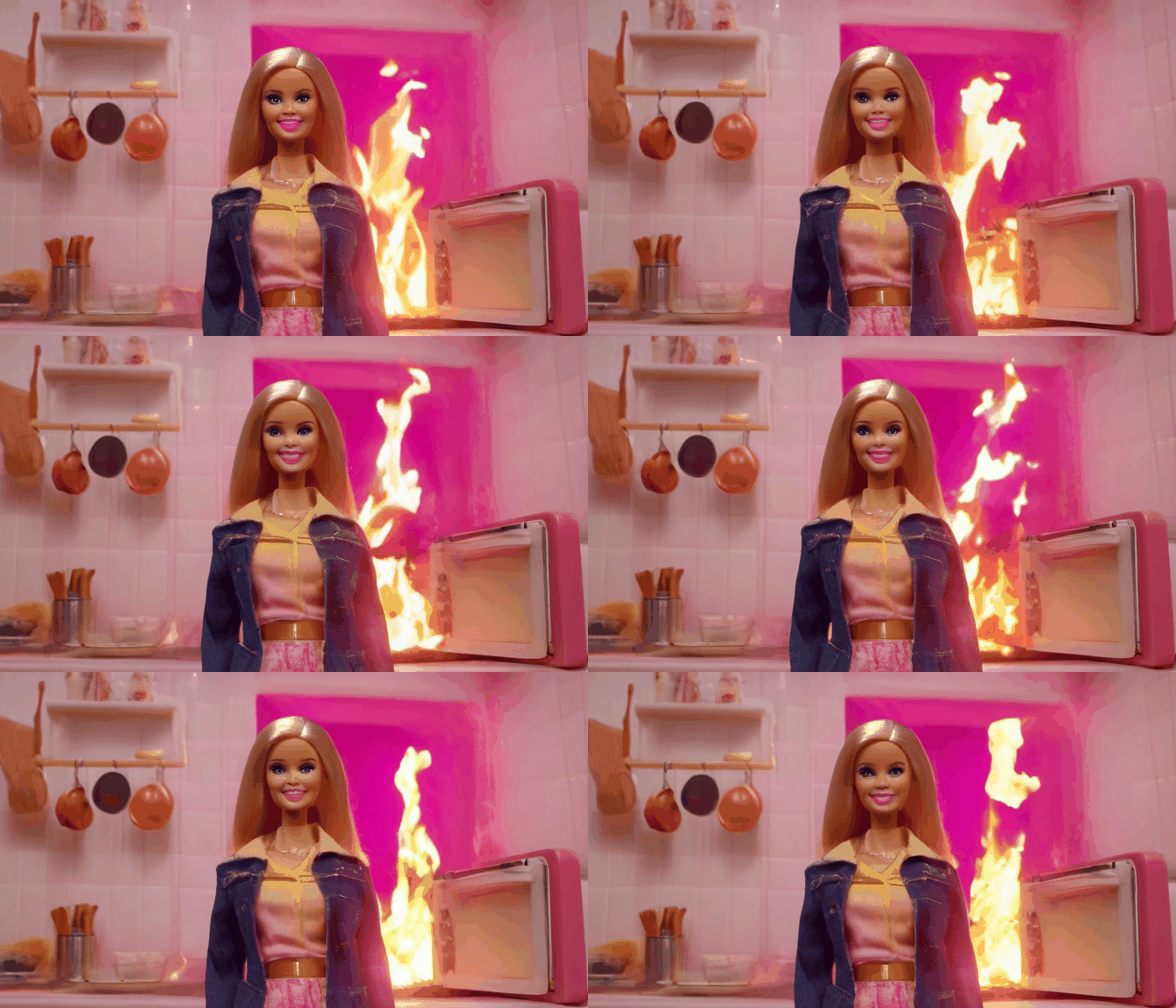
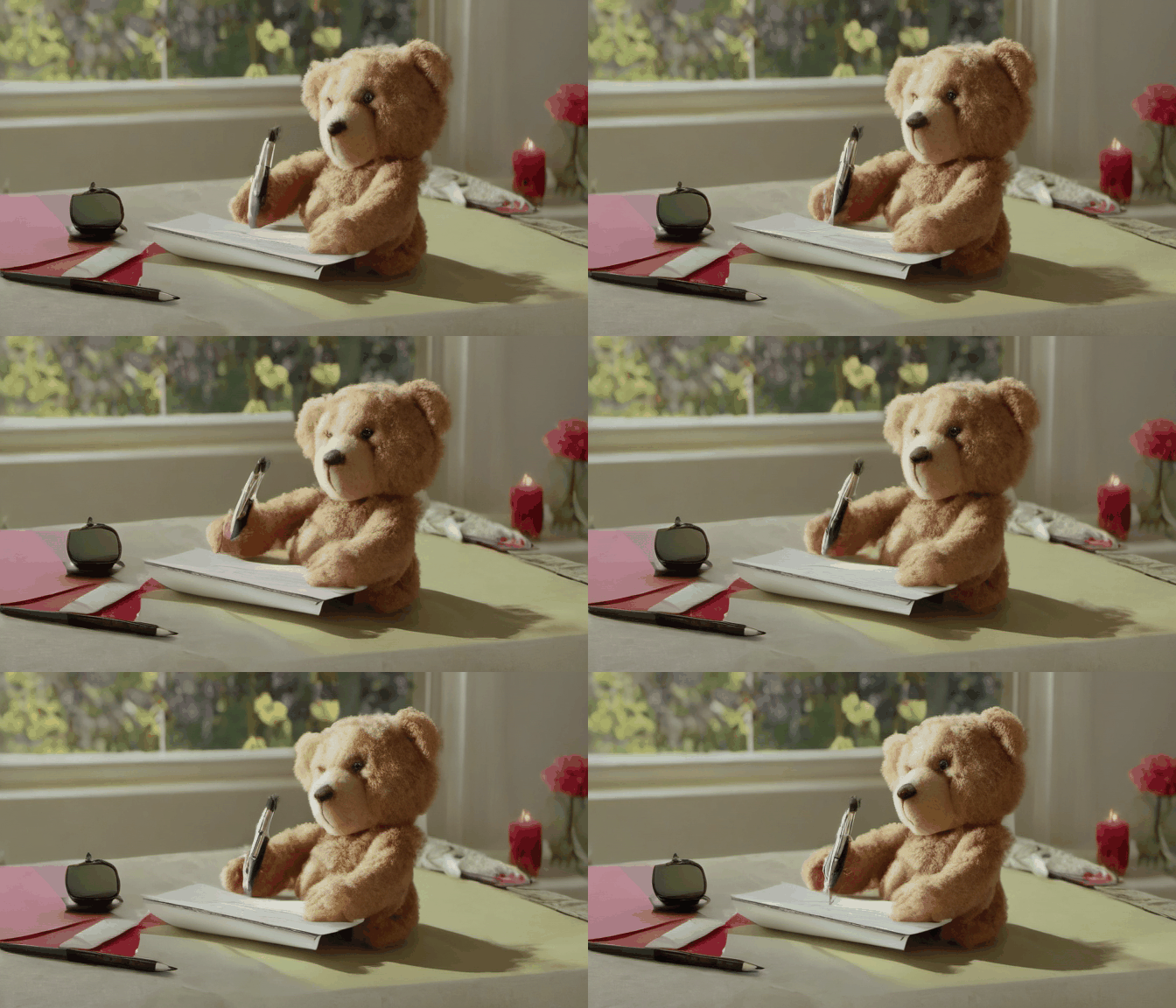
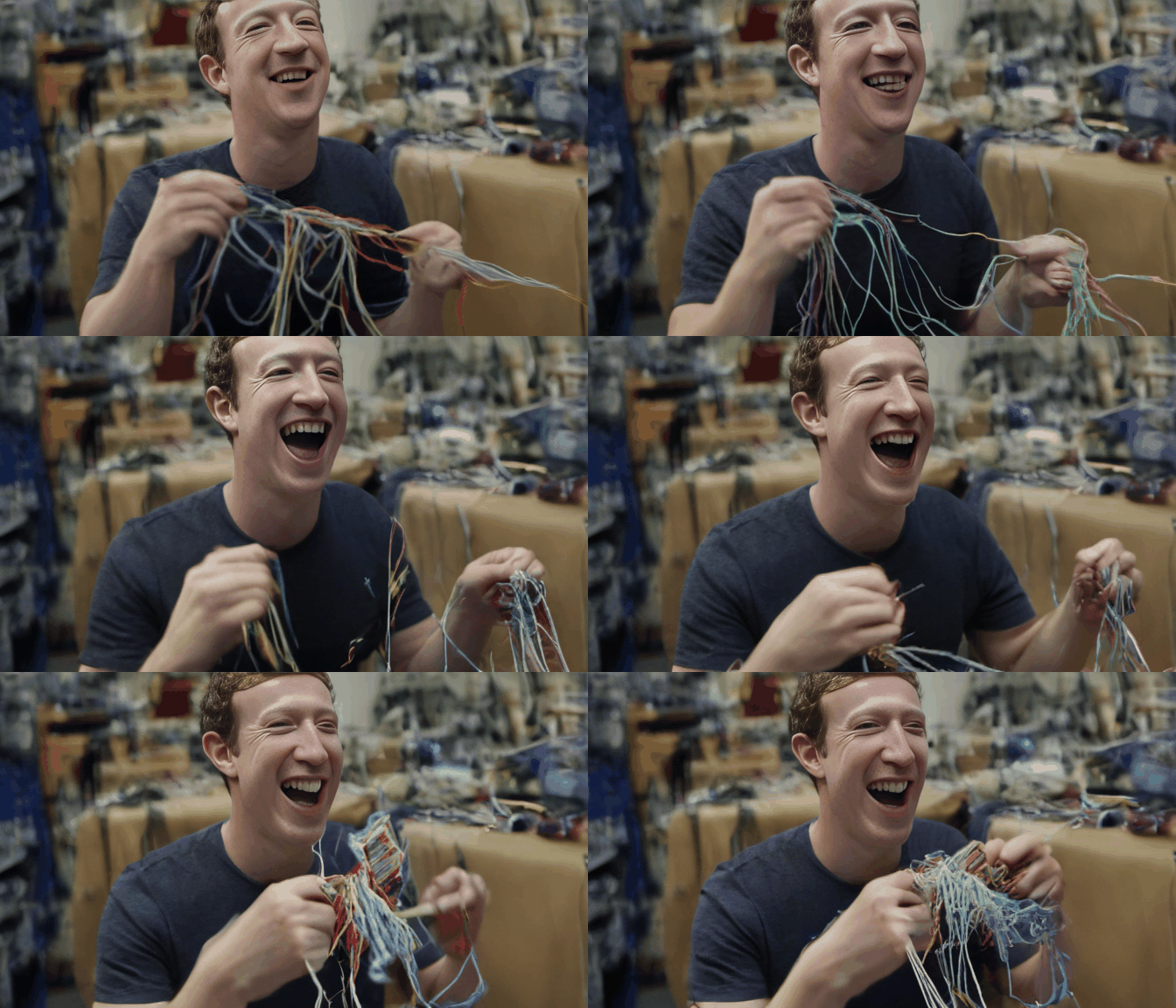
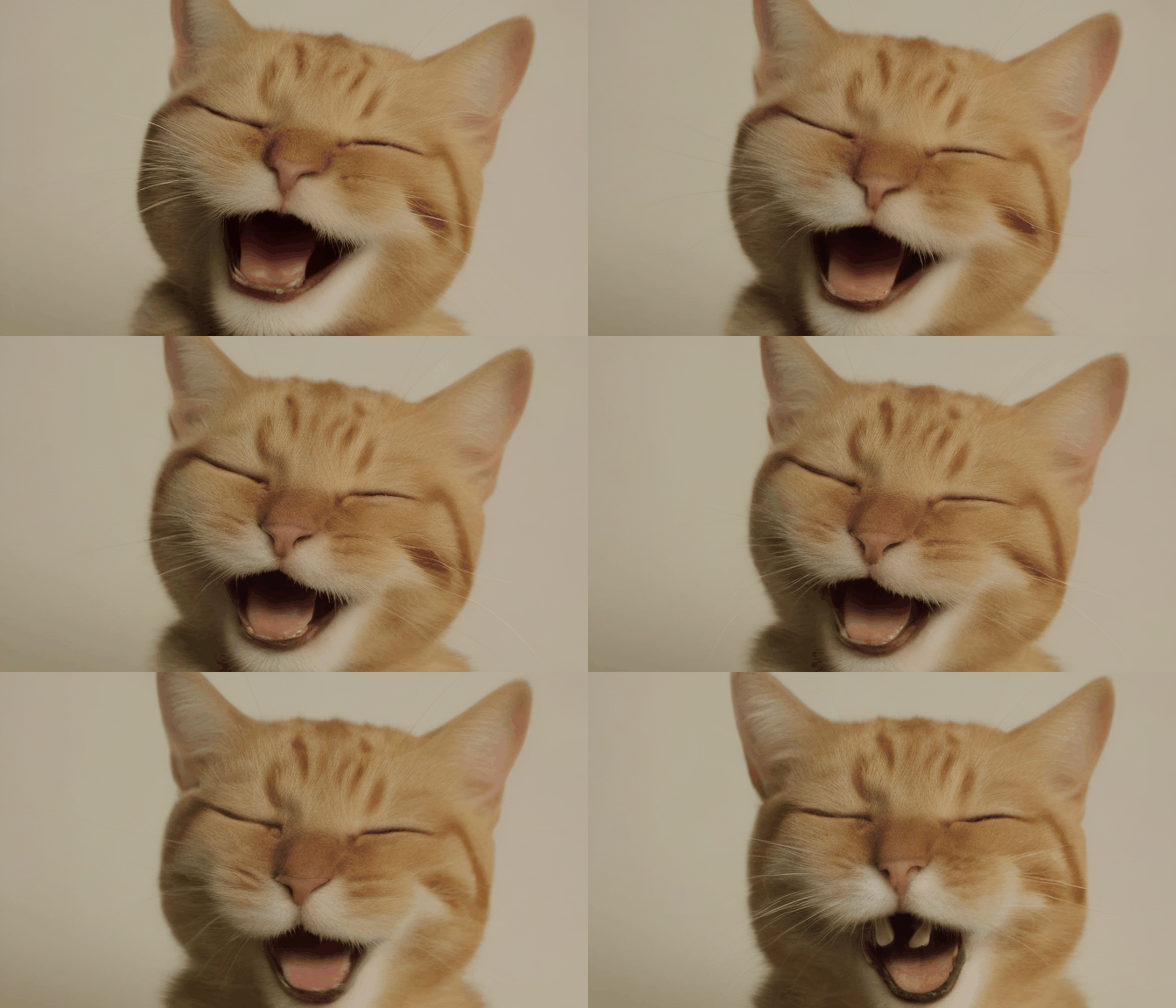
Hotshot-XL is an AI text-to-GIF model trained to work alongside Stable Diffusion XL.
Hotshot-XL can generate GIFs with any fine-tuned SDXL model. This means two things: 1. You’ll be able to make GIFs with any existing or newly fine-tuned SDXL model you may want to use. 2. If you'd like to make GIFs of personalized subjects, you can load your own SDXL based LORAs, and not have to worry about fine-tuning Hotshot-XL. This is awesome because it’s usually much easier to find suitable images for training data than it is to find videos. It also hopefully fits into everyone's existing LORA usage/workflows :) See more here.
Hotshot-XL is compatible with SDXL ControlNet to make GIFs in the composition/layout you’d like. See the ControlNet section below.
Hotshot-XL was trained to generate 1 second GIFs at 8 FPS.
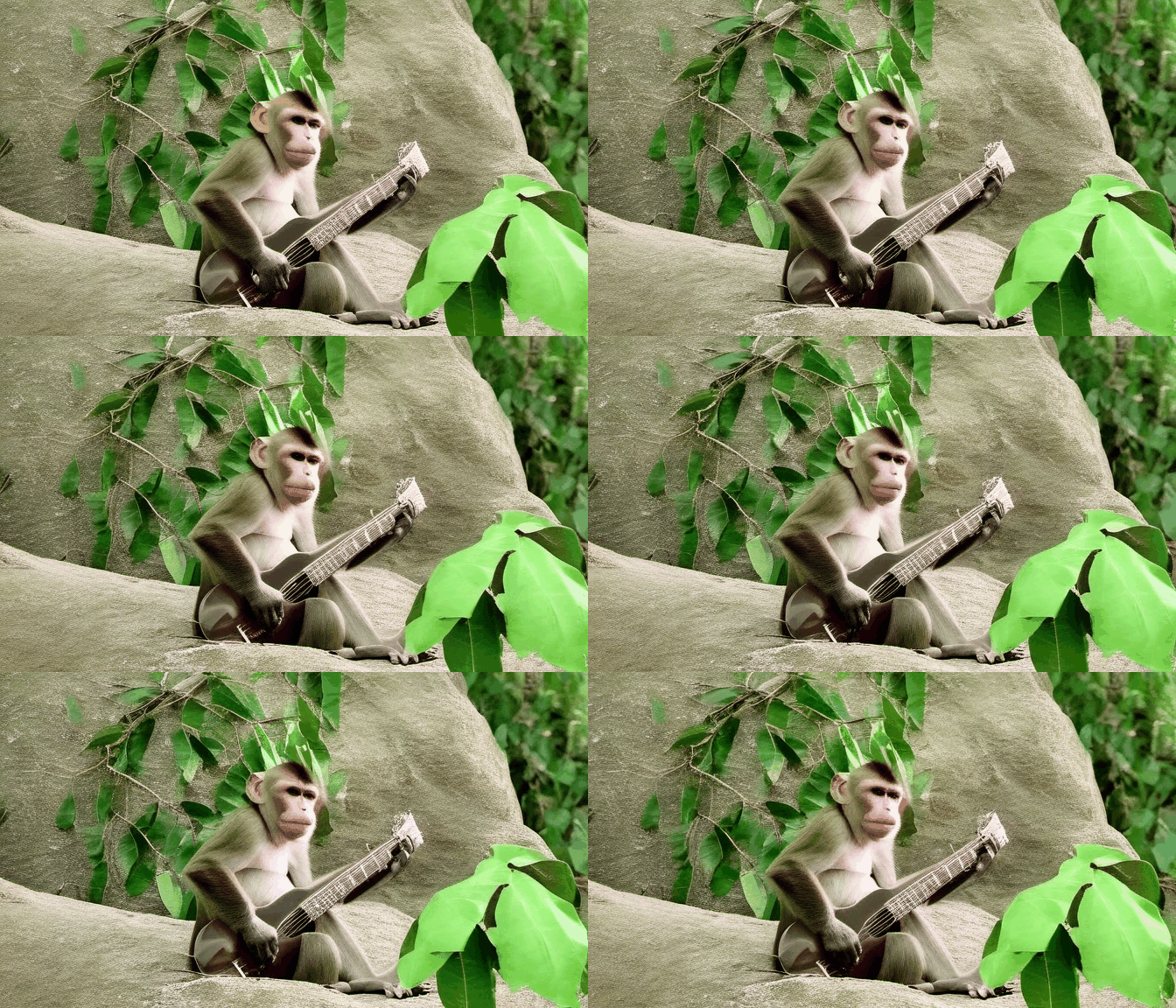
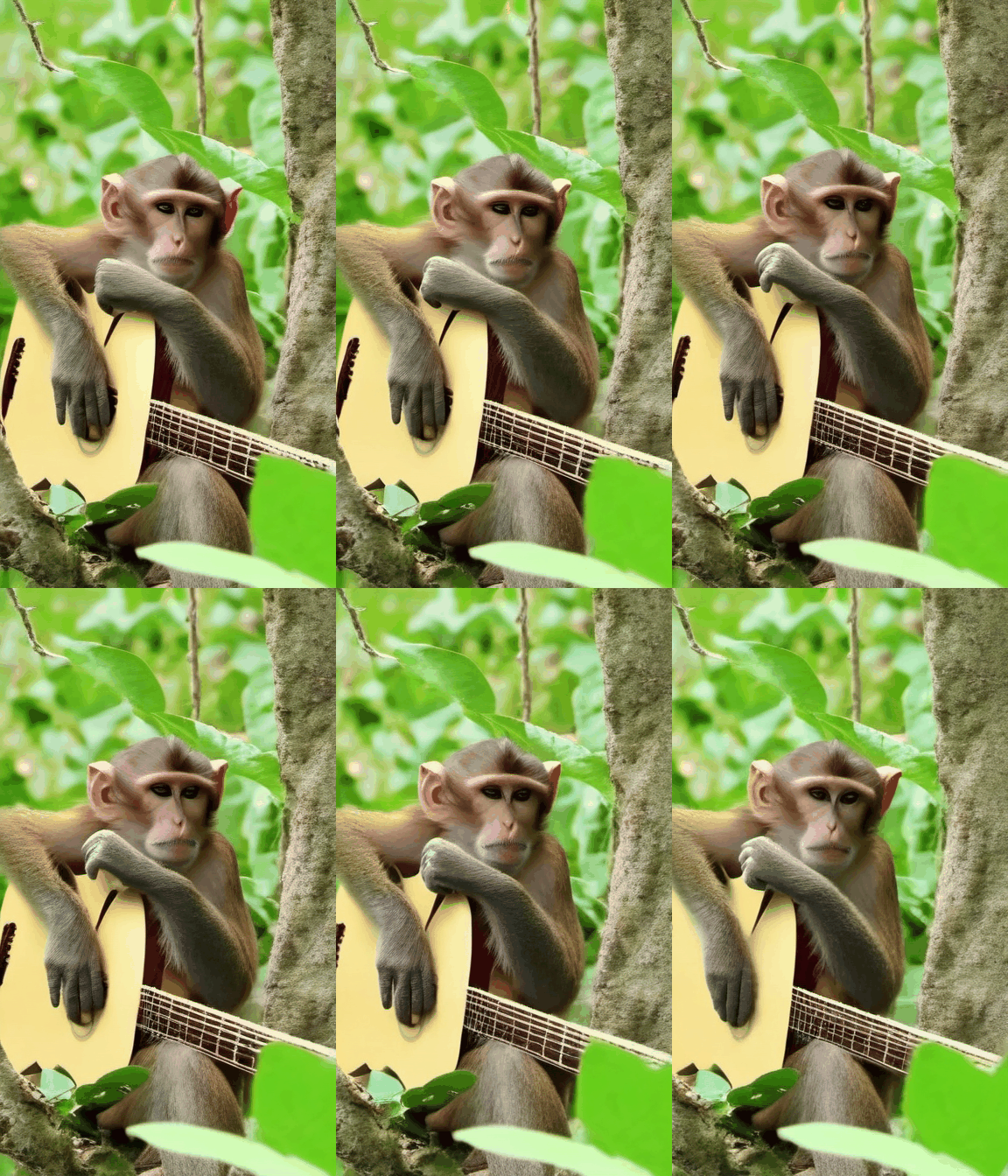
Hotshot-XL was trained on various aspect ratios. For best results with the base Hotshot-XL model, we recommend using it with an SDXL model that has been fine-tuned with 512x512 images. You can find an SDXL model we fine-tuned for 512x512 resolutions here.
Try Hotshot-XL yourself here: https://www.hotshot.co
Or, if you'd like to run Hotshot-XL yourself locally, continue on to the sections below.
If you’re running Hotshot-XL yourself, you are going to be able to have a lot more flexibility/control with the model. As a very simple example, you’ll be able to change the sampler. We’ve seen best results with Euler-A so far, but you may find interesting results with some other ones.
pip install virtualenv --upgrade
virtualenv -p $(which python3) venv
source venv/bin/activate
pip install -r requirements.txt
# Make sure you have git-lfs installed (https://git-lfs.com)
git lfs install
git clone https://huggingface.co/hotshotco/Hotshot-XL
or visit https://huggingface.co/hotshotco/Hotshot-XL
# Make sure you have git-lfs installed (https://git-lfs.com)
git lfs install
git clone https://huggingface.co/hotshotco/SDXL-512
or visit https://huggingface.co/hotshotco/SDXL-512
python inference.py \
  --prompt="a bulldog in the captains chair of a spaceship, hd, high quality" \
  --output="output.gif"
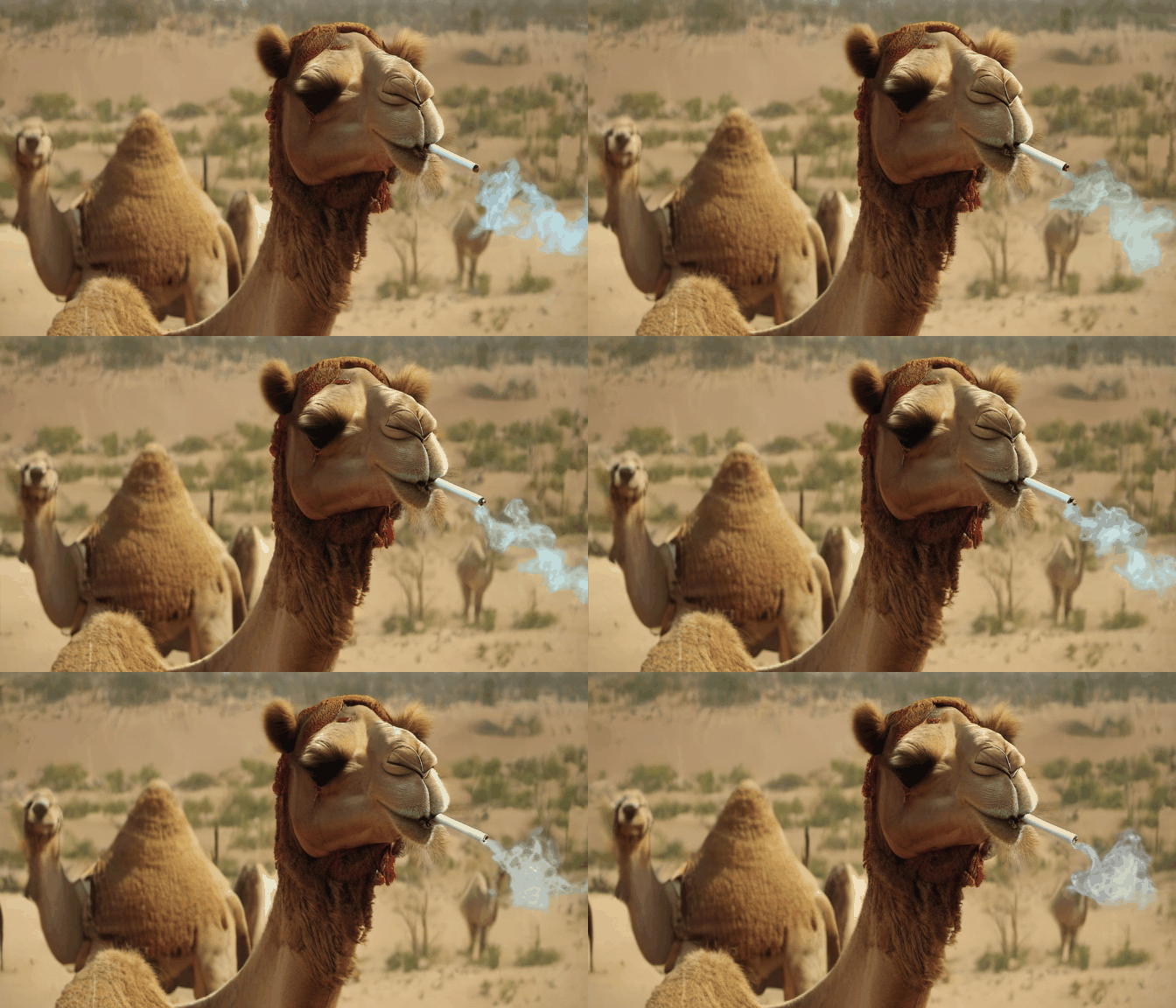
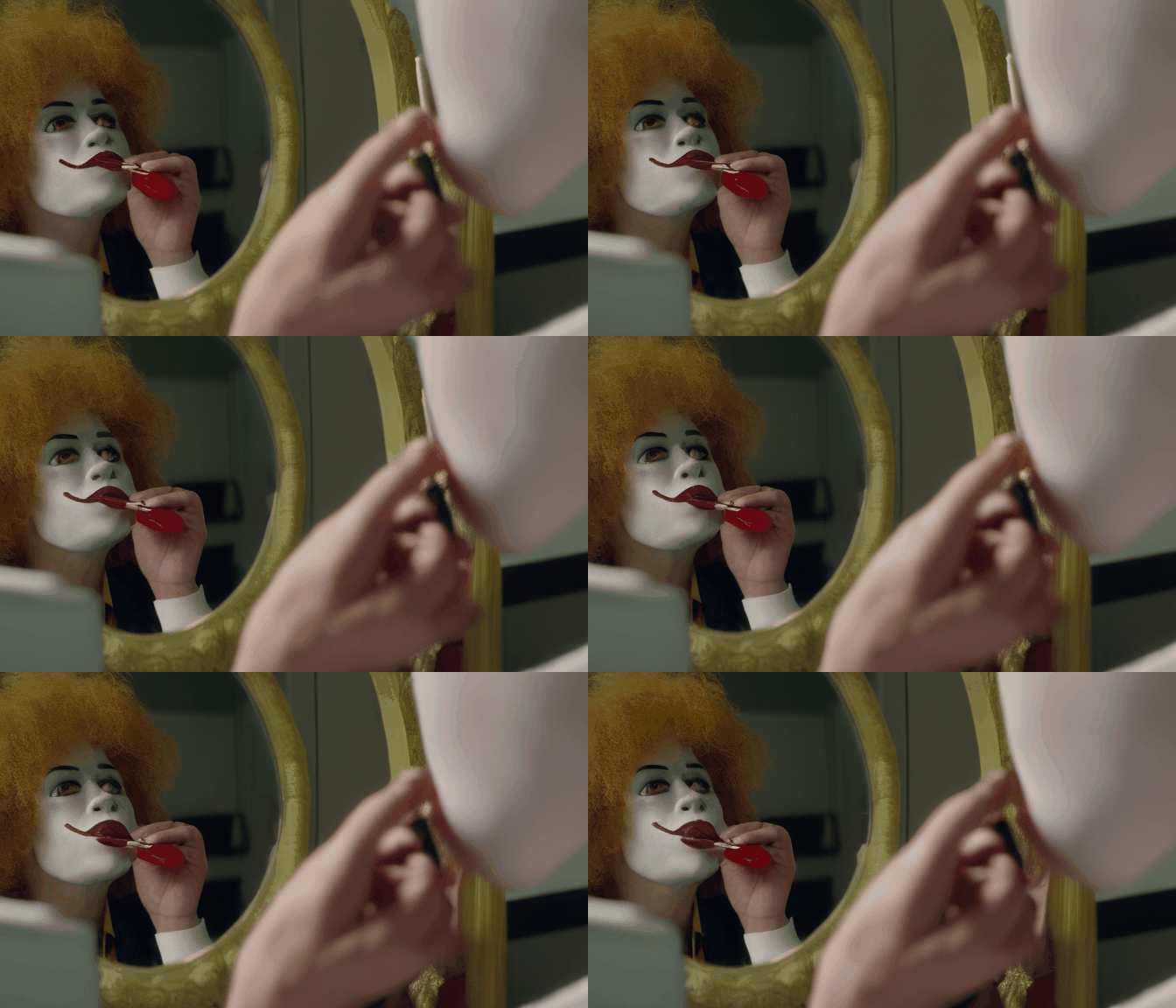
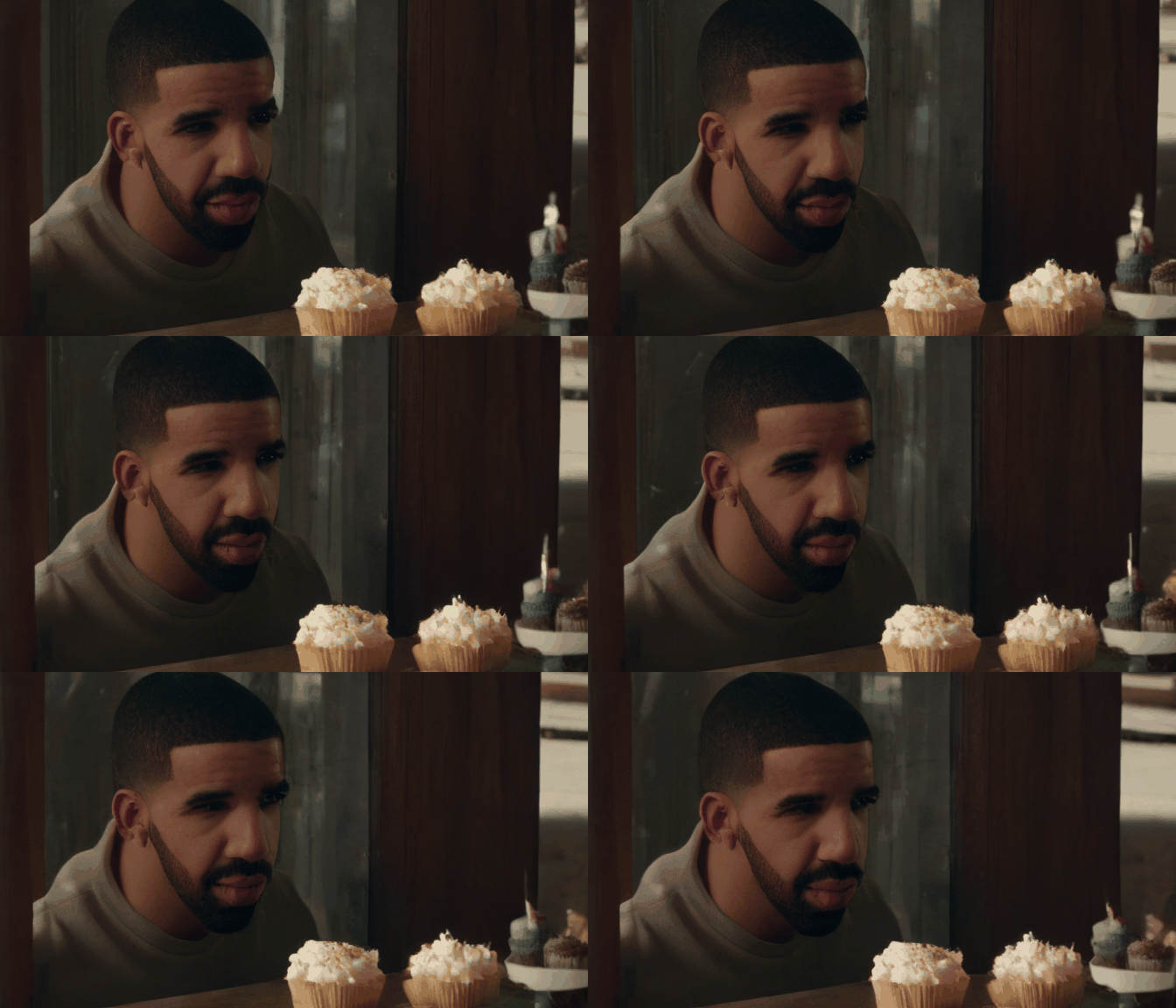
What to Expect:
| Prompt | Sasquatch scuba diving | a camel smoking a cigarette | Ronald McDonald sitting at a vanity mirror putting on lipstick | drake licking his lips and staring through a window at a cupcake |
|-----------|----------|----------|----------|----------|
| Output | 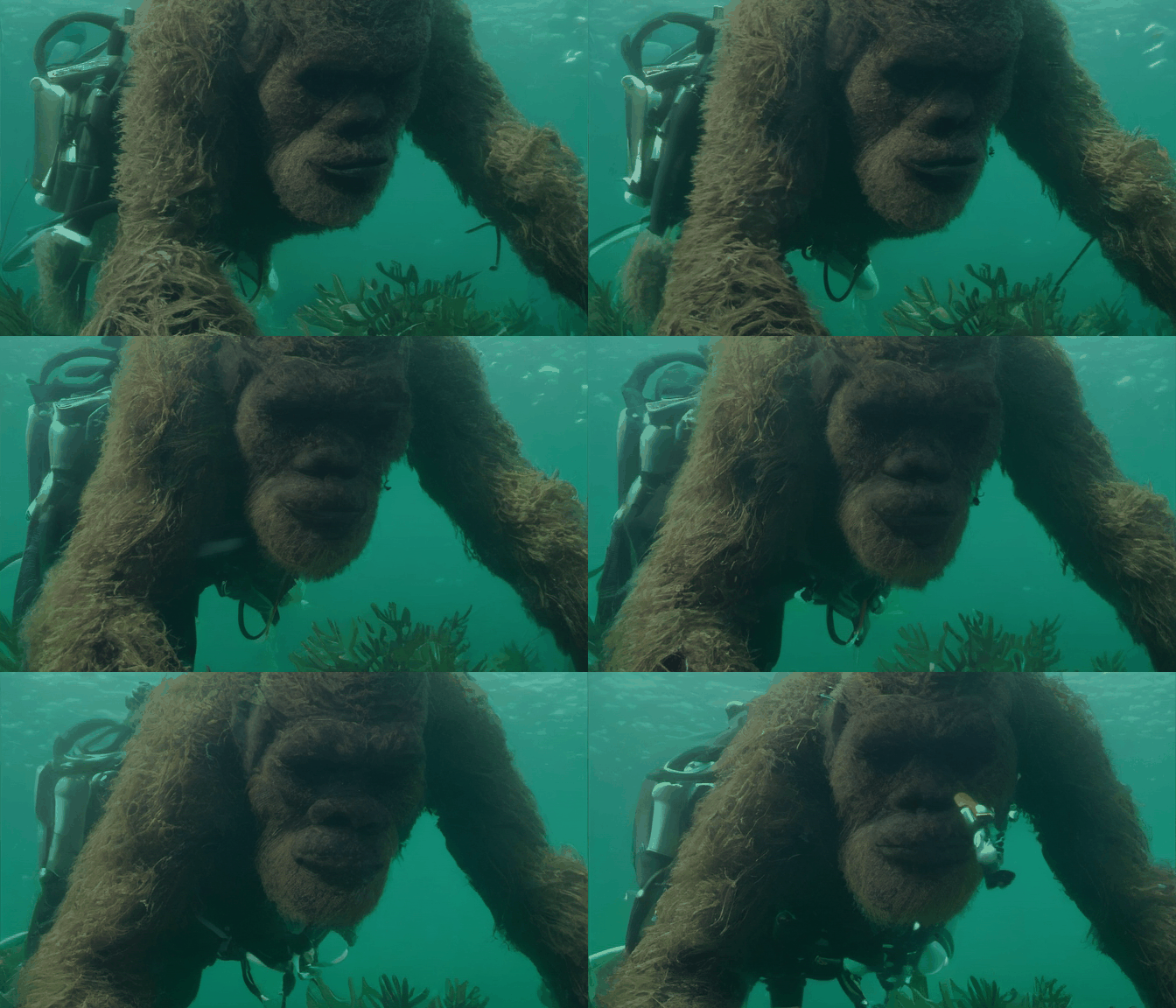 |
|  |
|  |
|  |
|
python inference.py \
  --prompt="a bulldog in the captains chair of a spaceship, hd, high quality" \
  --output="output.gif" \
  --spatial_unet_base="path/to/stabilityai/stable-diffusion-xl-base-1.0/unet" \
  --lora="path/to/lora"
What to Expect:
Note: The outputs below use the DDIMScheduler.
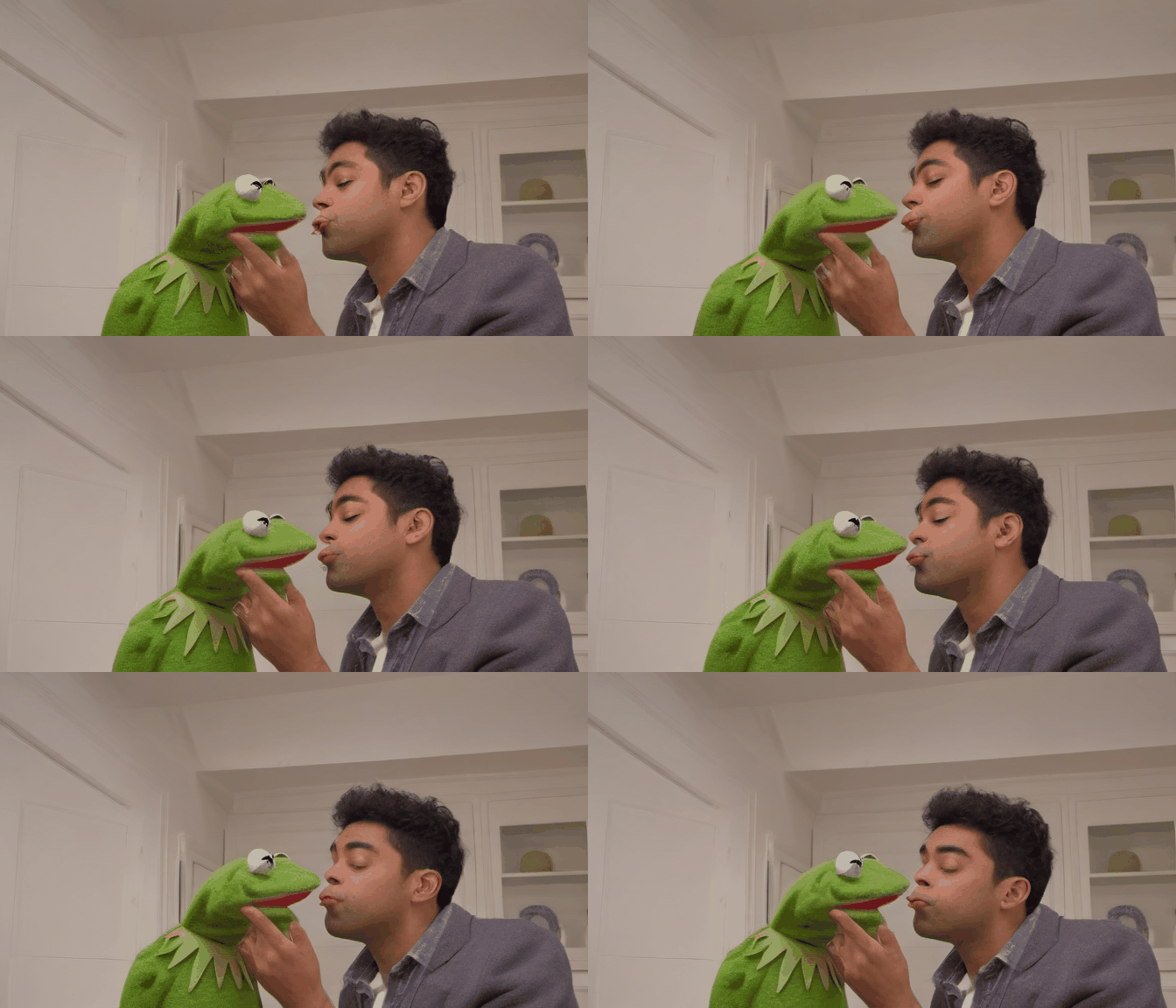
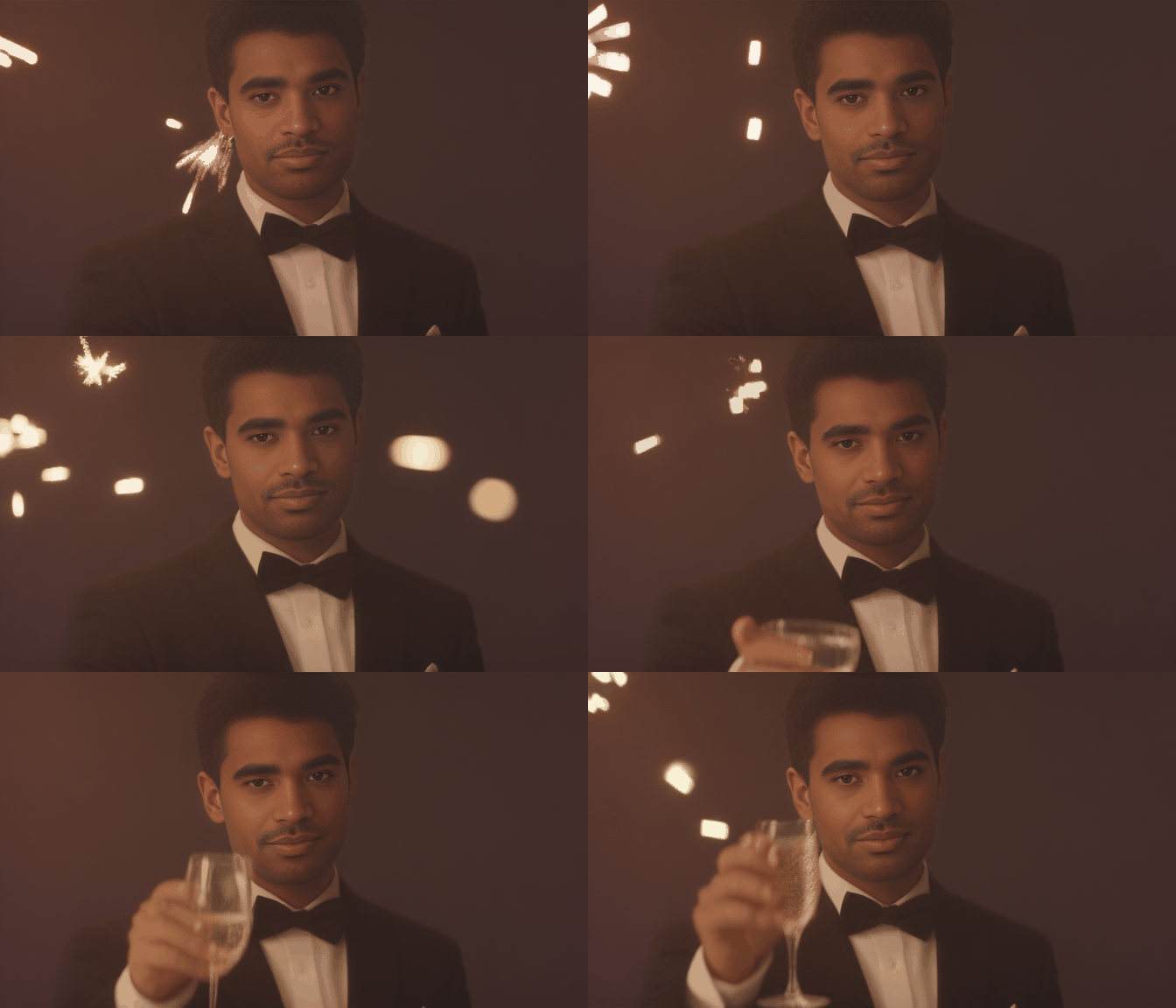
| Prompt | sks person screaming at a capri sun | sks person kissing kermit the frog | sks person wearing a tuxedo holding up a glass of champagne, fireworks in background, hd, high quality, 4K |
|-----------|----------|----------|----------|
| Output | 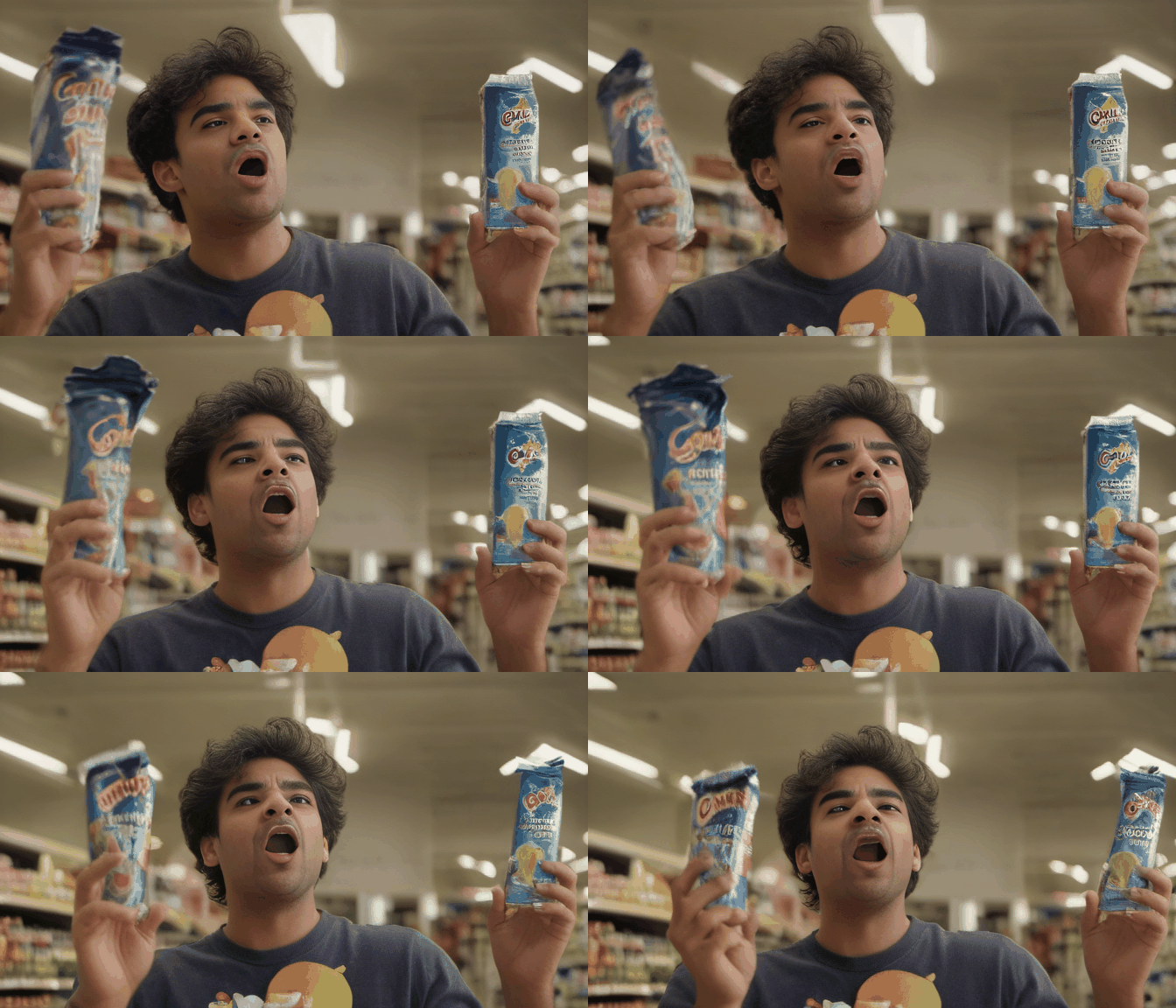 |
|  |
|  |
|
python inference.py \
  --prompt="a girl jumping up and down and pumping her fist, hd, high quality" \
  --output="output.gif" \
  --control_type="depth" \
  --gif="https://media1.giphy.com/media/v1.Y2lkPTc5MGI3NjExbXNneXJicG1mOHJ2dzQ2Y2JteDY1ZWlrdjNjMjl3ZWxyeWFxY2EzdyZlcD12MV9pbnRlcm5hbF9naWZfYnlfaWQmY3Q9Zw/YOTAoXBgMCmFeQQzuZ/giphy.gif"
By default, Hotshot-XL will create key frames from your source gif using 8 equally spaced frames and crop the keyframes to the default aspect ratio. For finer grained control, learn how to vary aspect ratios and vary frame rates/lengths.
Hotshot-XL currently supports the use of one ControlNet model at a time; supporting Multi-ControlNet would be exciting.
What to Expect:
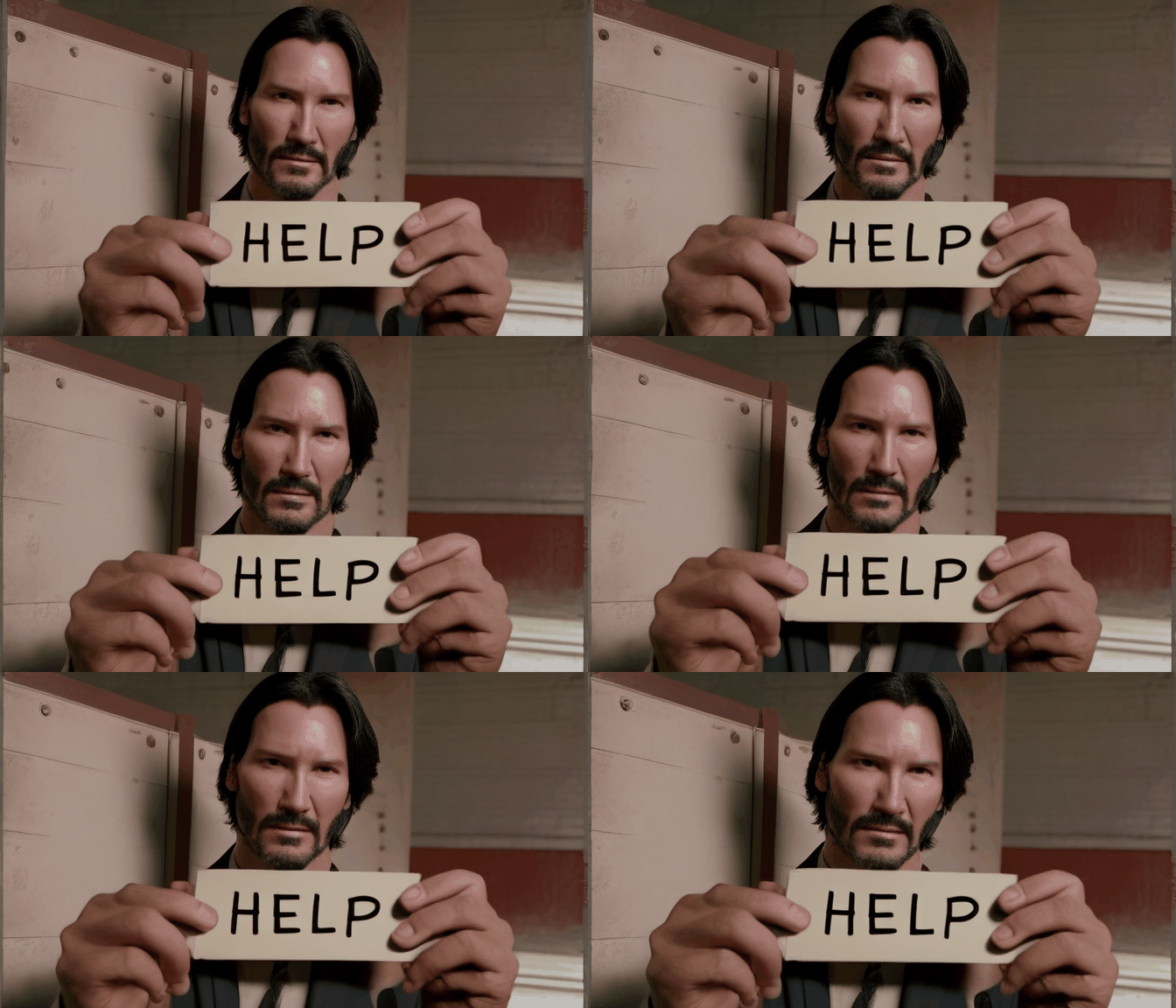
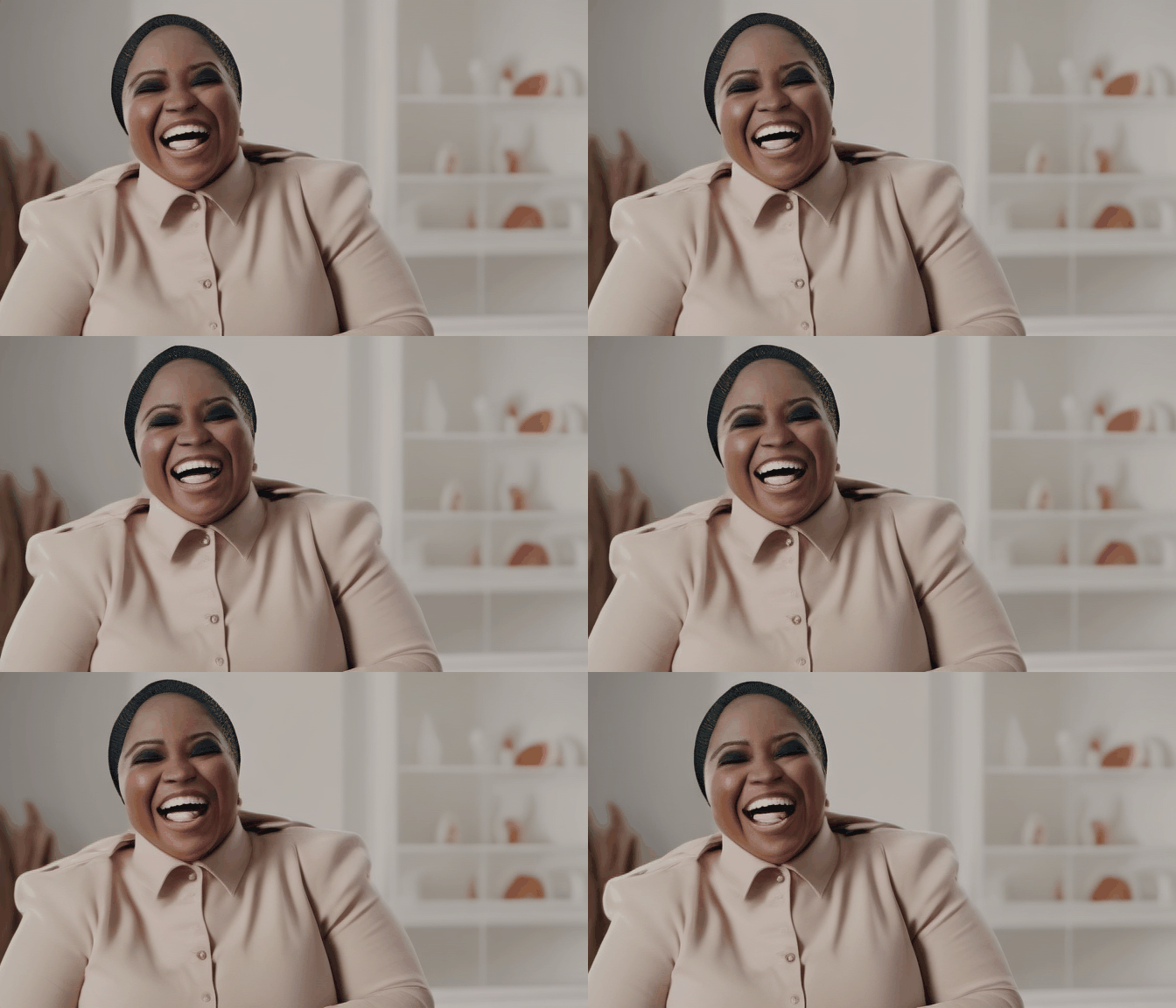
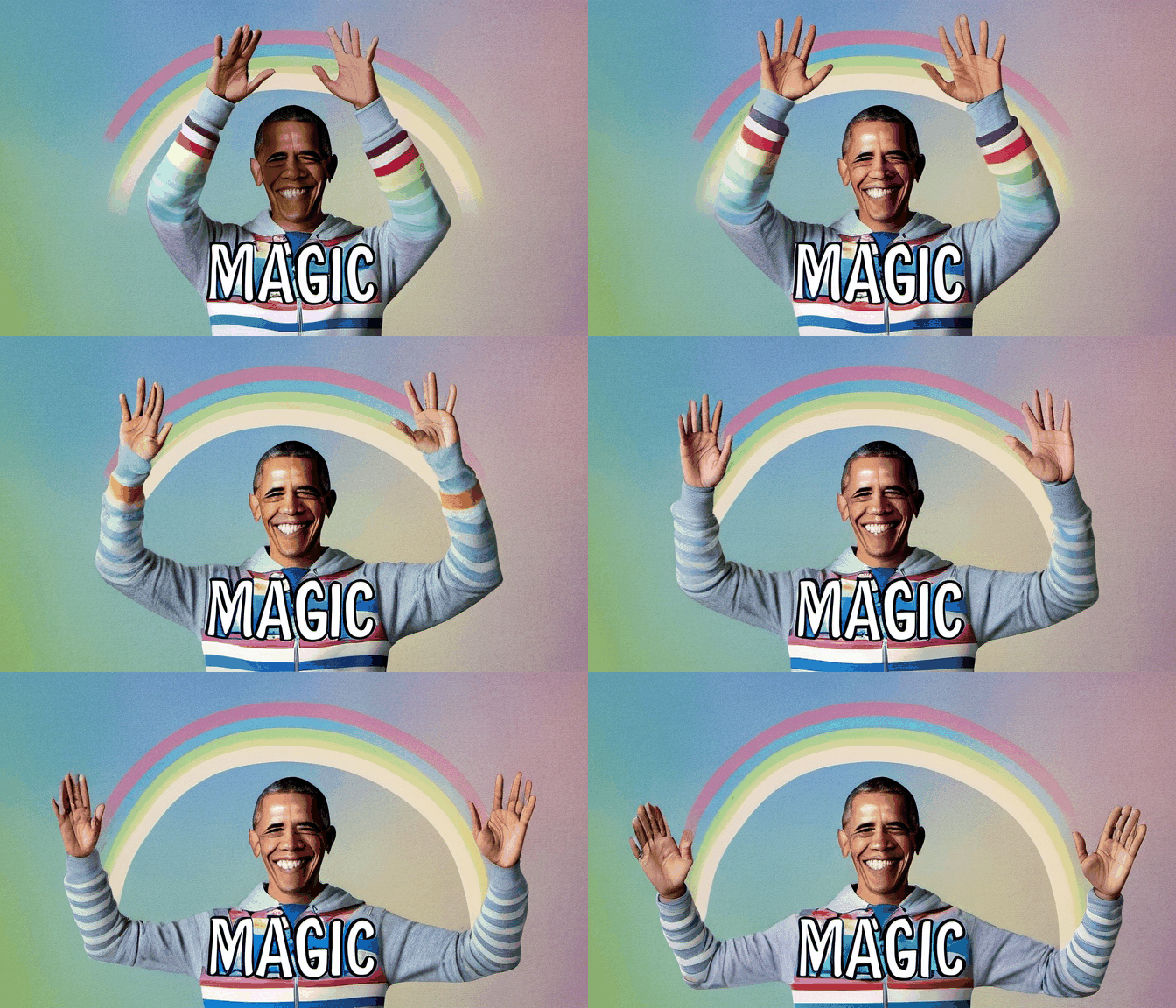
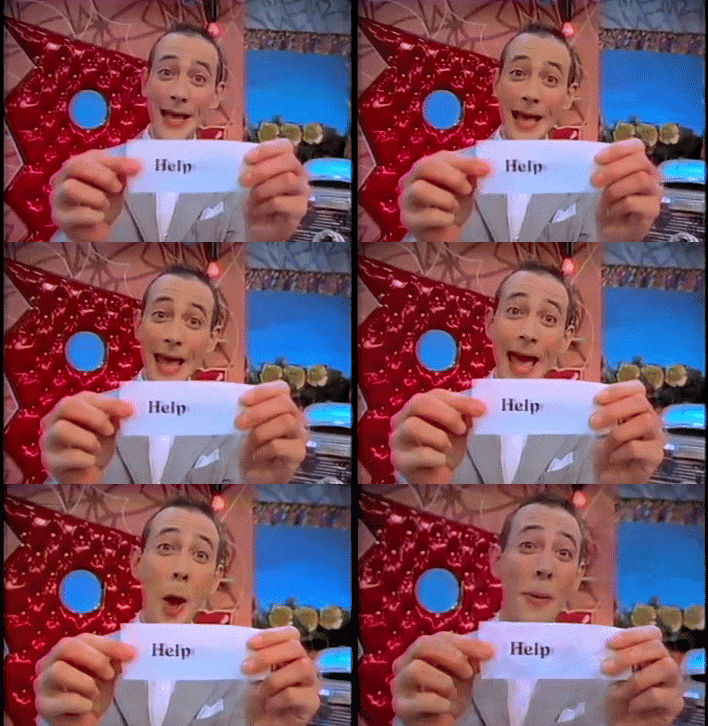
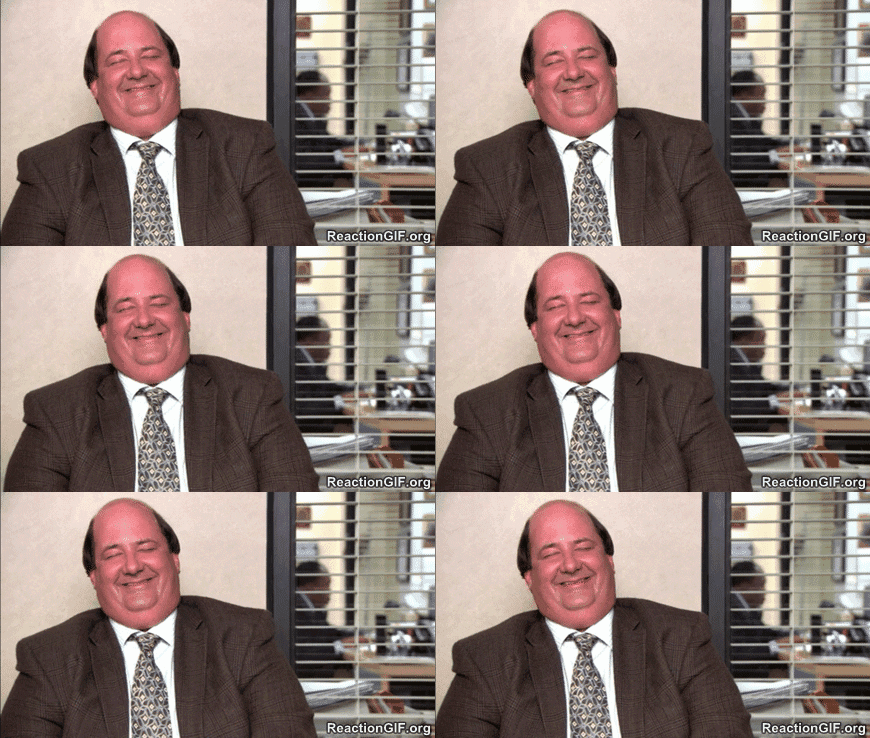
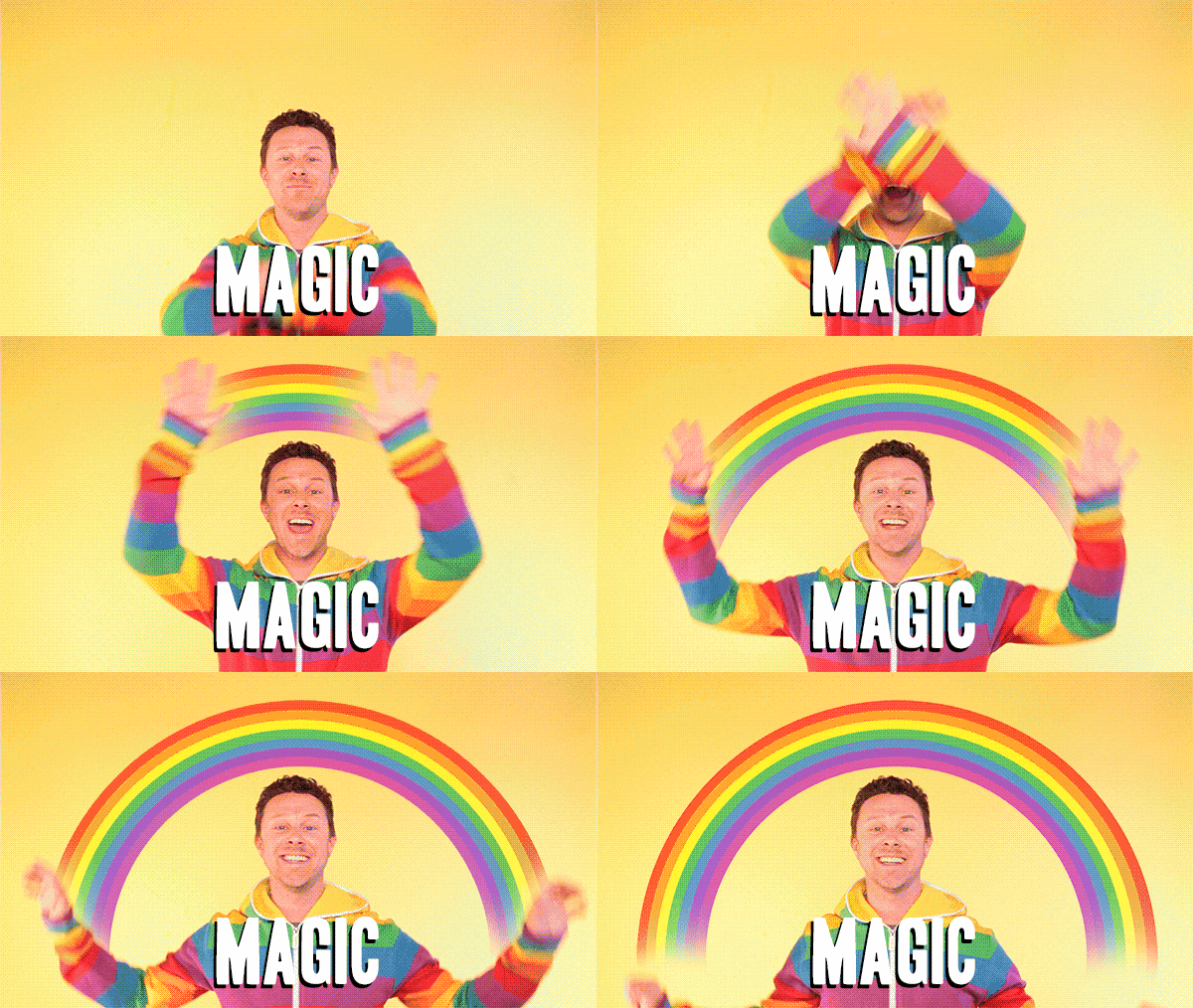
| Prompt | pixar style girl putting two thumbs up, happy, high quality, 8k, 3d, animated disney render | keanu reaves holding a sign that says "HELP", hd, high quality | a woman laughing, hd, high quality | barack obama making a rainbow with their hands, the word "MAGIC" in front of them, wearing a blue and white striped hoodie, hd, high quality |
|-----------|----------|----------|----------|----------|
| Output | 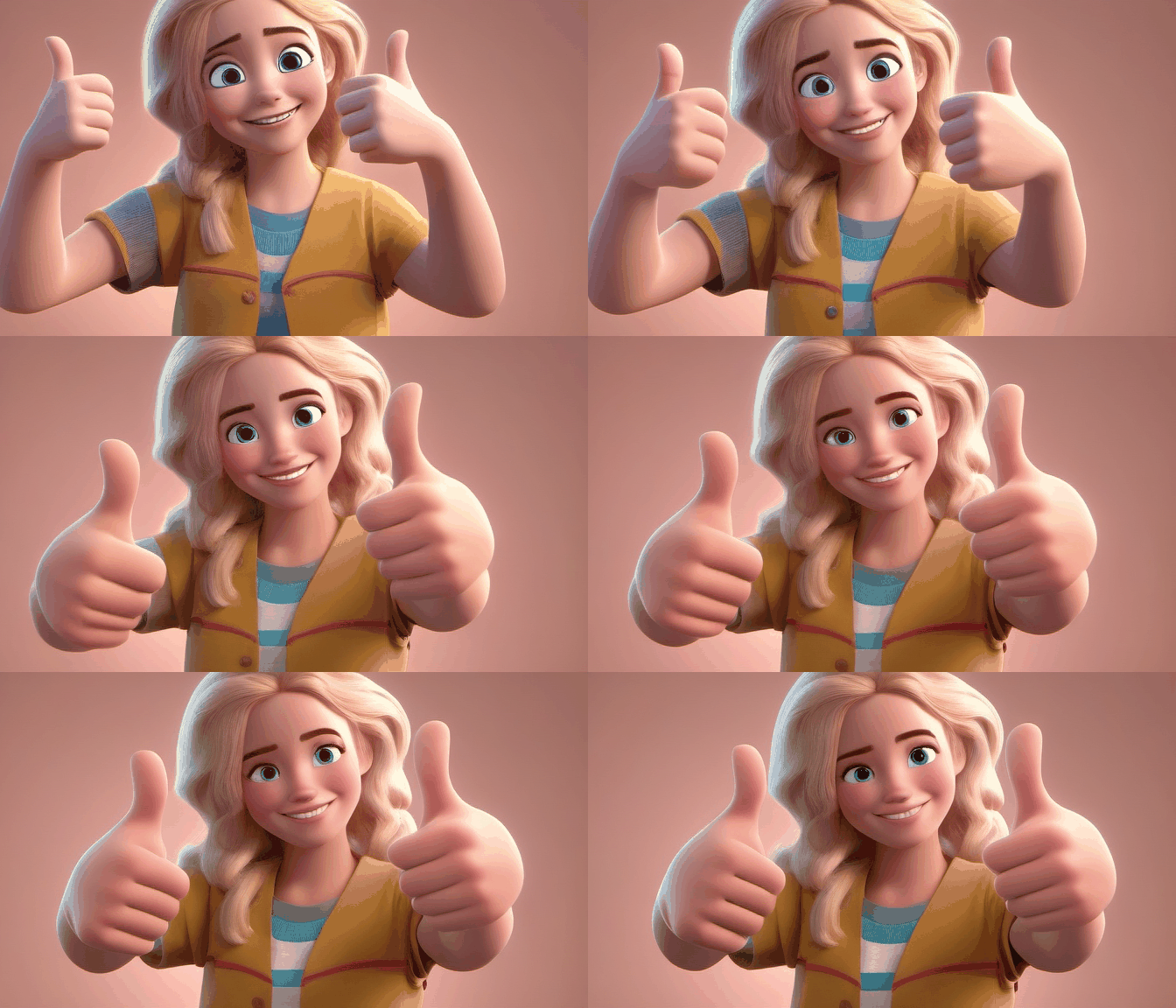 |
|  |
|  |
|  |
| Control |
|
| Control |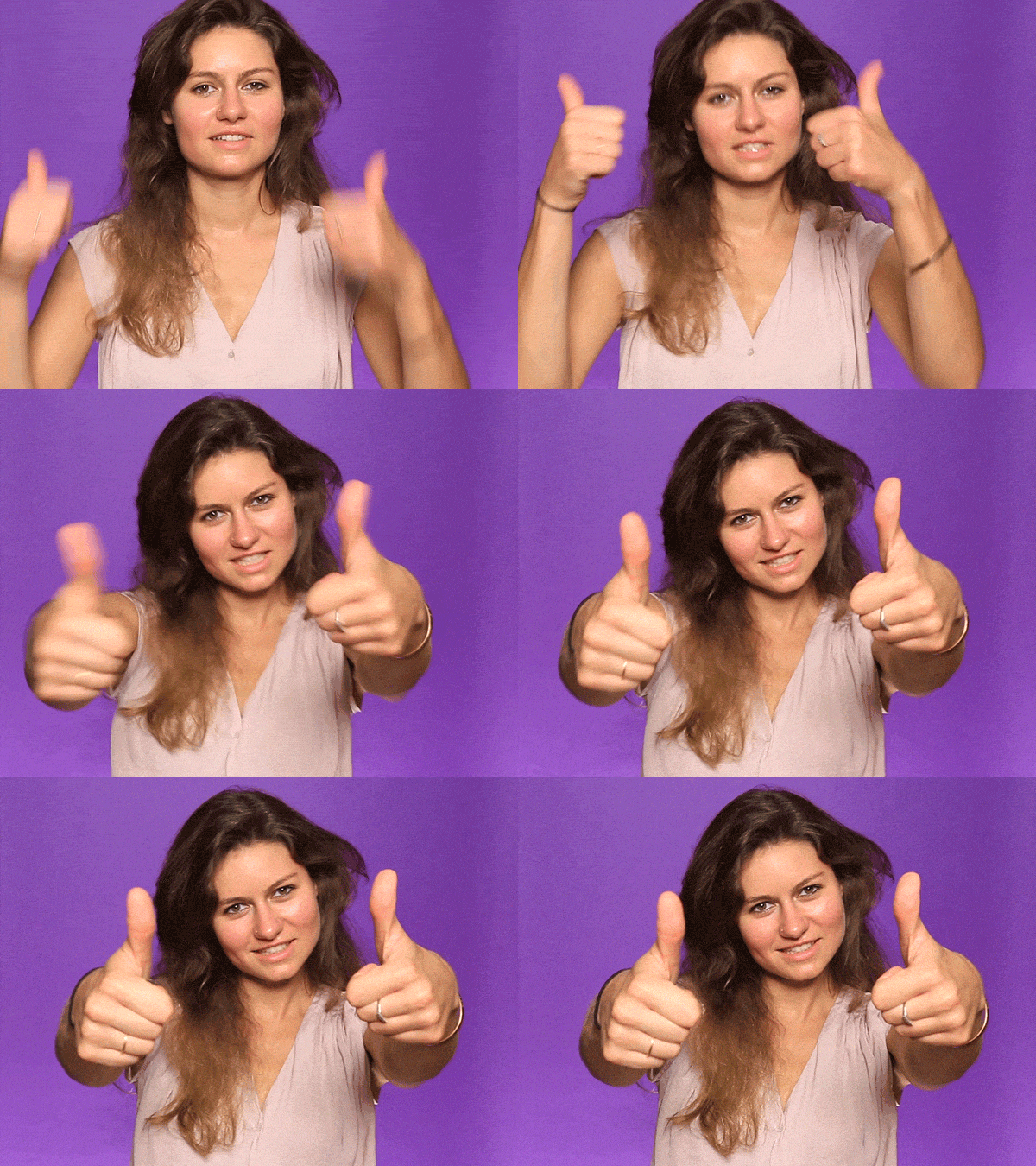 |
|  |
|  |
|  |
|
python inference.py \
  --prompt="a bulldog in the captains chair of a spaceship, hd, high quality" \
  --output="output.gif" \
  --width= \
  --height=
What to Expect:
| | 512x512 | 672x384 | 384x672 |
|-----------|----------|----------|----------|
| a monkey playing guitar, nature footage, hd, high quality | 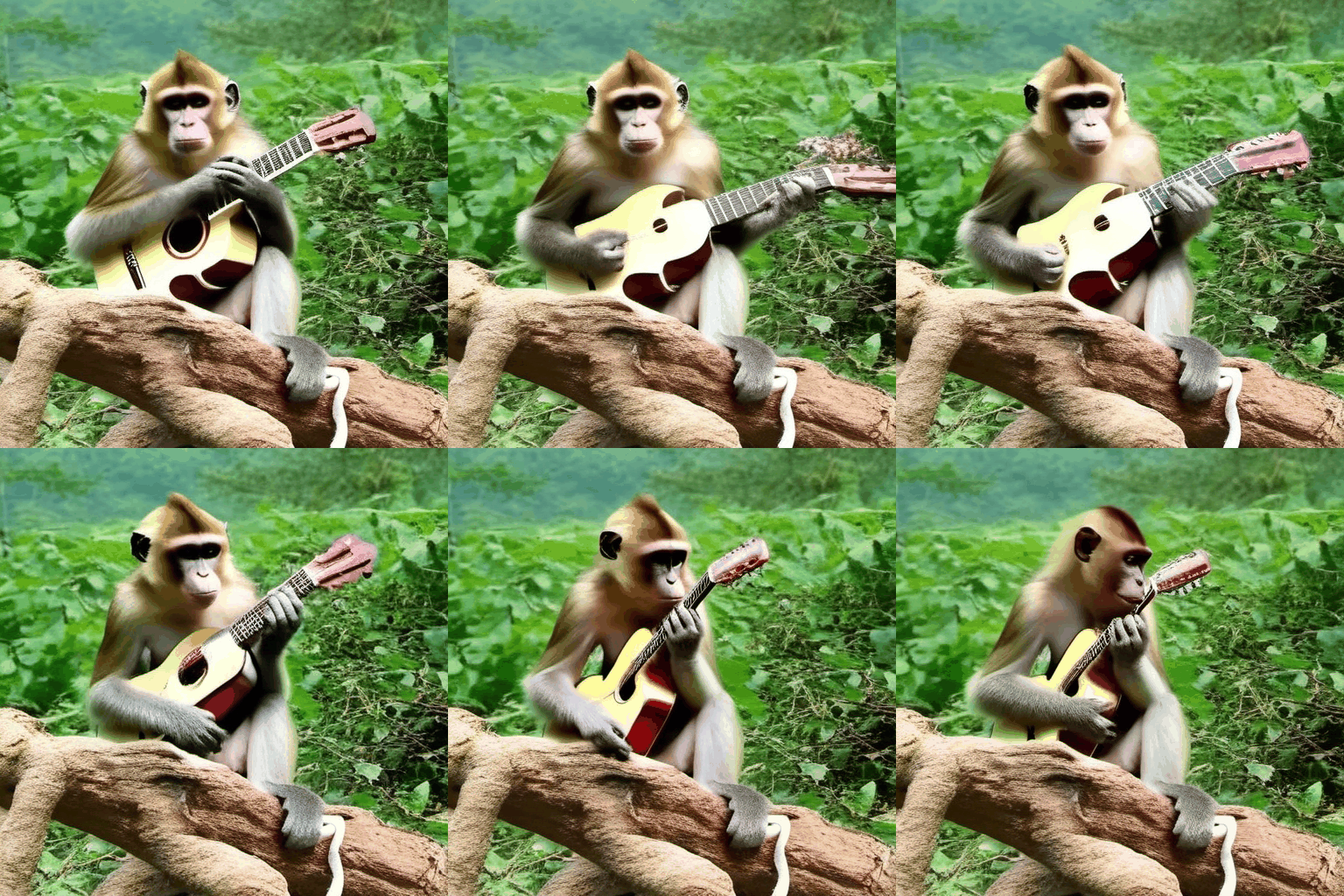 |
|  |
|  |
|
video_length and video_duration.
video_length sets the number of frames. The default value is 8.
video_duration sets the runtime of the output gif in milliseconds. The default value is 1000.
Please note that you should expect unstable/"jittery" results when modifying these parameters as the model was only trained with 1s videos @ 8fps. You'll be able to improve the stability of results for different time lengths and frame rates by fine-tuning Hotshot-XL. Please let us know if you do!
python inference.py \
  --prompt="a bulldog in the captains chair of a spaceship, hd, high quality" \
  --output="output.gif" \
  --video_length=16 \
  --video_duration=2000
video_length=1 in your inference call and the Hotshot-XL temporal layers will be ignored, as you'd expect.
python inference.py \
  --prompt="a bulldog in the captains chair of a spaceship, hd, high quality" \
  --output="output.jpg" \
  --video_length=1
| Aspect Ratio | Size | |--------------|------| | 0.42 |320 x 768| | 0.57 |384 x 672| | 0.68 |416 x 608| | 1.00 |512 x 512| | 1.46 |608 x 416| | 1.75 |672 x 384| | 2.40 |768 x 320|
The fine_tune.py script expects your samples to be structured like this:
fine_tune_dataset
├── sample_001
│  ├── 0.jpg
│  ├── 1.jpg
│  ├── 2.jpg
...
...
│  ├── n.jpg
│  └── prompt.txt
Each sample directory should contain your n key frames and a prompt.txt file which contains the prompt.
The final checkpoint will be saved to output_dir.
We've found it useful to send validation GIFs to Weights & Biases every so often. If you choose to use validation with Weights & Biases, you can set how often this runs with the validate_every_steps parameter.
accelerate launch fine_tune.py \
    --output_dir="<OUTPUT_DIR>" \
    --data_dir="fine_tune_dataset" \
    --report_to="wandb" \
    --run_validation_at_start \
    --resolution=512 \
    --mixed_precision=fp16 \
    --train_batch_size=4 \
    --learning_rate=1.25e-05 \
    --lr_scheduler="constant" \
    --lr_warmup_steps=0 \
    --max_train_steps=1000 \
    --save_n_steps=20 \
    --validate_every_steps=50 \
    --vae_b16 \
    --gradient_checkpointing \
    --noise_offset=0.05 \
    --snr_gamma \
    --test_prompts="man sits at a table in a cafe, he greets another man with a smile and a handshakes"
@software{Mullan_Hotshot-XL_2023,
  author = {Mullan, John and Crawbuck, Duncan and Sastry, Aakash},
  license = {Apache-2.0},
  month = oct,
  title = {{Hotshot-XL}},
  url = {https://github.com/hotshotco/hotshot-xl},
  version = {1.0.0},
  year = {2023}
}
 →
→ →
→ →
→ →
→ →
→ →
→ →
→