
1
 →
→aimhubio/aim is an open-source project on GitHub, mainly written in Python. Aim 💫 — An easy-to-use & supercharged open-source experiment tracker. It currently holds 6,258 stars and 413 forks with 0 open issues, and was last pushed on an unknown date (repository created unknown).
AI Homed tracks it on the AI Prompt Engineering board.
| Drop a star to support Aim ⭐ |
Join Aim discord community

|

























AimStack offers enterprise support that's beyond core Aim. Contact via hello@aimstack.io e-mail.
---
---
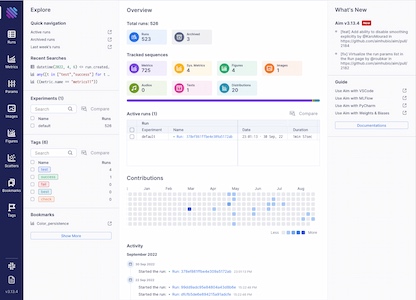
Aim is an open-source, self-hosted ML experiment tracking tool designed to handle 10,000s of training runs.
Aim provides a performant and beautiful UI for exploring and comparing training runs. Additionally, its SDK enables programmatic access to tracked metadata — perfect for automations and Jupyter Notebook analysis.
Aim's mission is to democratize AI dev tools 🎯
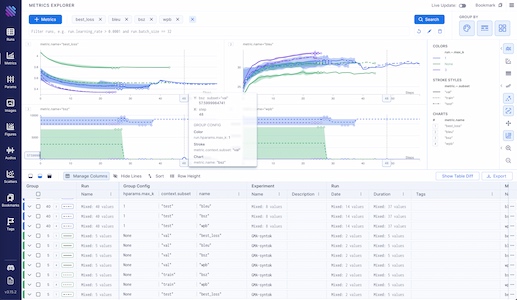
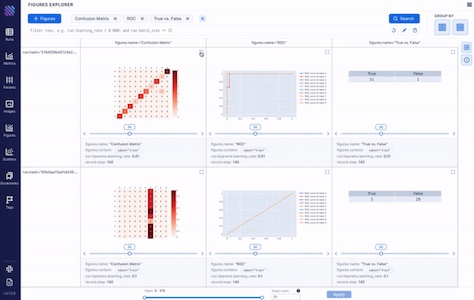
| Log Metadata Across Your ML Pipeline 💾 | Visualize & Compare Metadata via UI 📊 |
|---|---|
|
|
| Run ML Trainings Effectively ⚡ | Organize Your Experiments 🗂️ |
|
|
Check out live Aim demos NOW to see it in action.
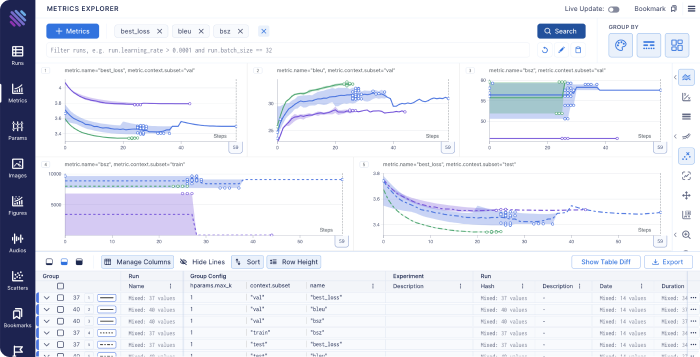
| Machine translation experiments | lightweight-GAN experiments|
|:---:|:---:|
|  |
| 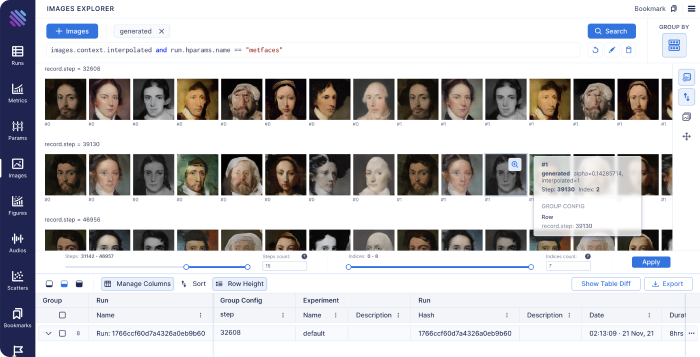 |
| Training logs of a neural translation model(from WMT'19 competition). | Training logs of 'lightweight' GAN, proposed in ICLR 2021. |
|
| Training logs of a neural translation model(from WMT'19 competition). | Training logs of 'lightweight' GAN, proposed in ICLR 2021. |
| FastSpeech 2 experiments| Simple MNIST |
|:---:|:---:|
| 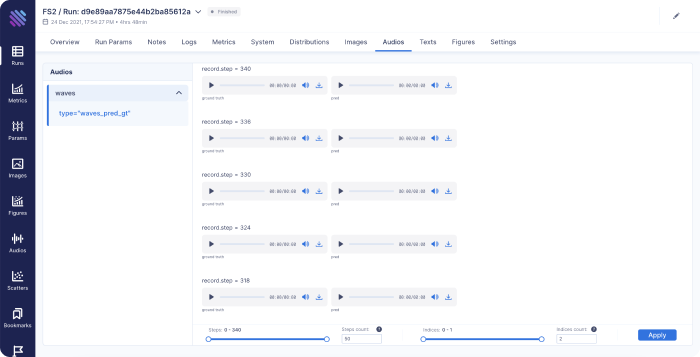 |
| 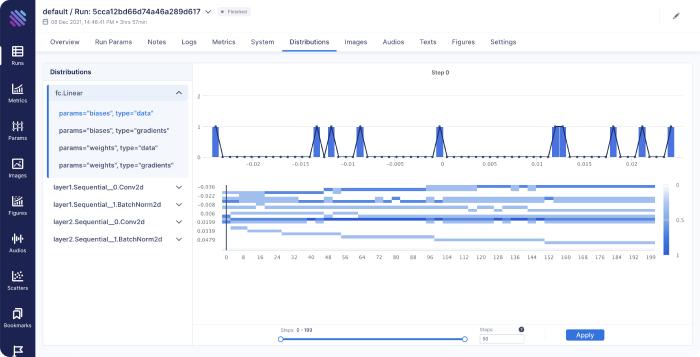 |
| Training logs of Microsoft's "FastSpeech 2: Fast and High-Quality End-to-End Text to Speech". | Simple MNIST training logs. |
|
| Training logs of Microsoft's "FastSpeech 2: Fast and High-Quality End-to-End Text to Speech". | Simple MNIST training logs. |
Aim is not just an experiment tracker. It's a groundwork for an ecosystem. Check out the two most famous Aim-based tools.
| aimlflow | Aim-spaCy |
|:---:|:---:|
| 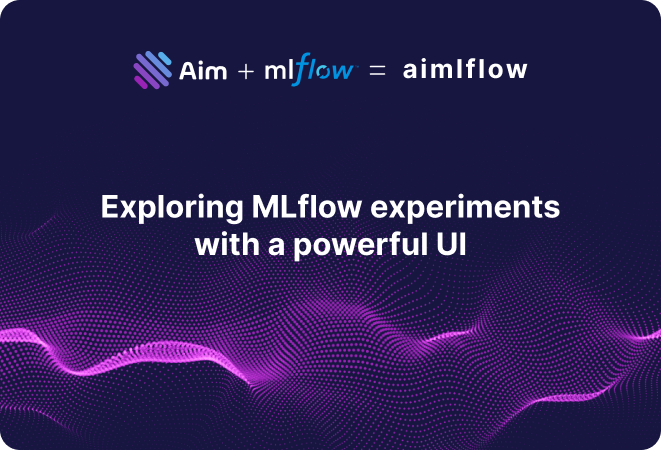 |
| 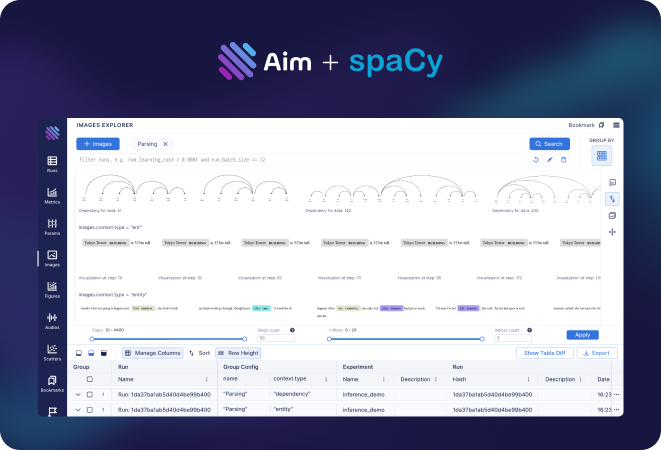 |
| Exploring MLflow experiments with a powerful UI | an Aim-based spaCy experiment tracker |
|
| Exploring MLflow experiments with a powerful UI | an Aim-based spaCy experiment tracker |
Follow the steps below to get started with Aim.
pip3 install aim
from aim import Run
Initialize a new run
run = Run()
Log run parameters
run["hparams"] = {
    "learning_rate": 0.001,
    "batch_size": 32,
}
Log metrics
for i in range(10):
    run.track(i, name='loss', step=i, context={ "subset":"train" })
    run.track(i, name='acc', step=i, context={ "subset":"train" })
_See the full list of supported trackable objects(e.g. images, text, etc) here._
aim up
Aim has built-in converters to easily migrate logs from other tools. These migrations cover the most common usage scenarios. In case of custom and complex scenarios you can use Aim SDK to implement your own conversion script.
Aim easily integrates with a wide range of ML frameworks, providing built-in callbacks for most of them.
→ →
→ →
→ →
→ →
→ →
→ →
→ →
→